Tag: Lumpkin County

  • Homes for Sale Near the Chestatee River

    Homes for Sale Near the Chestatee River

    Quick answer (TL;DR)

    Homes near the Chestatee River in Dahlonega, Georgia range from interior lots with HOA-managed river access to full-frontage waterfront parcels. Prices vary widely depending on deeded frontage, acreage, and condition. Verify current inventory with a live MLS search. Most properties sit in Lumpkin County; some extend into Hall or Dawson County. Gold Peach Realty connects buyers with available listings along the river corridor.

    Homes for sale near the Chestatee River sit primarily in Lumpkin County outside Dahlonega, Georgia. Inventory ranges from HOA river-access lots to full-deeded waterfront parcels. Buyers should confirm flood zone status and verify well and septic requirements before submitting an offer.

    What Kinds of Homes Can You Find Near the Chestatee River?

    The Chestatee River winds through the North Georgia mountains before feeding into Lake Lanier, part of the Chattahoochee River watershed. The corridor closest to Dahlonega, within Lumpkin County, holds the greatest concentration of residential properties that carry river-proximity value.

    Full-Frontage Waterfront Homes

    These properties sit directly on the riverbank with deeded access to the water. They are the rarest and most sought-after type along the Chestatee. Expect a meaningful price premium over comparable inland homes; confirm current asking prices with an active MLS search before budgeting.

    Community River-Access Properties

    Several subdivisions near Dahlonega give residents shared access to the Chestatee through a community dock, trail, or put-in. This offers buyers a lower-cost path to river proximity without requiring direct frontage. Read the HOA documents carefully: access hours, permitted watercraft, and seasonal restrictions vary by community.

    Near-River Lots and Rural Parcels

    Properties within a half-mile to two miles of the river often sit on larger acreage with mountain and wooded views but no direct water frontage. They attract buyers who want space and privacy, plus easy river access for fishing or recreation, at prices below full-frontage listings. For a detailed breakdown of what separates each category, see the guide to Chestatee River waterfront homes.

    Where to Look: Key Areas Near the Chestatee River

    The Chestatee River corridor does not follow a single neighborhood boundary. Properties are distributed across several distinct areas that buyers should understand before searching.

    North of Dahlonega (Upper Chestatee)

    This section runs through less-developed terrain above the town. Properties here tend to be larger, often 3 to 10-plus acres, with private well and septic. The landscape is quieter and more rural. Buyers who want space and seclusion over HOA amenities tend to land here.

    South Toward Lake Lanier (Lower Chestatee / Hall County)

    As the river moves toward Gainesville, properties shift toward lake-adjacent character rather than pure river frontage. Dock permitting in this section involves the Army Corps of Engineers. Buyers planning any water structure should factor that in.

    Achasta on the Chestatee

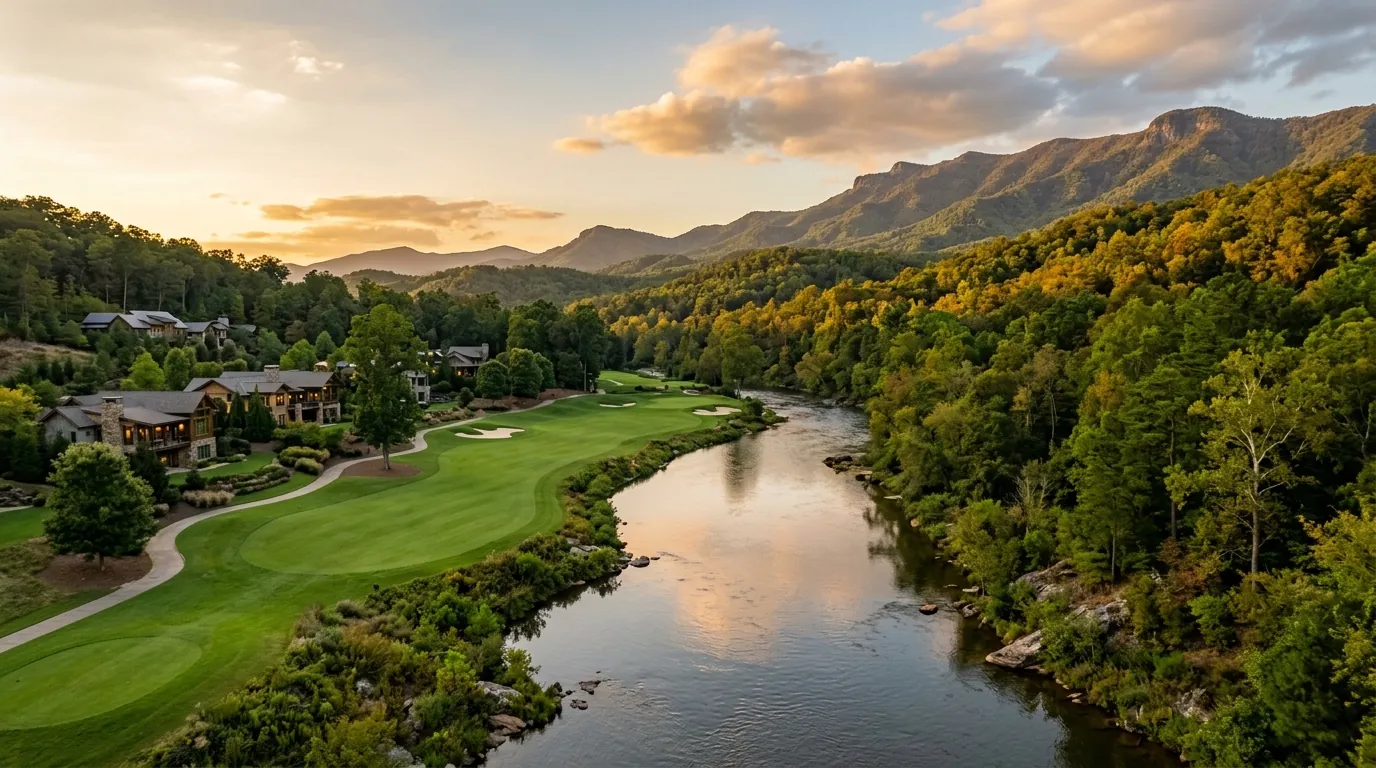
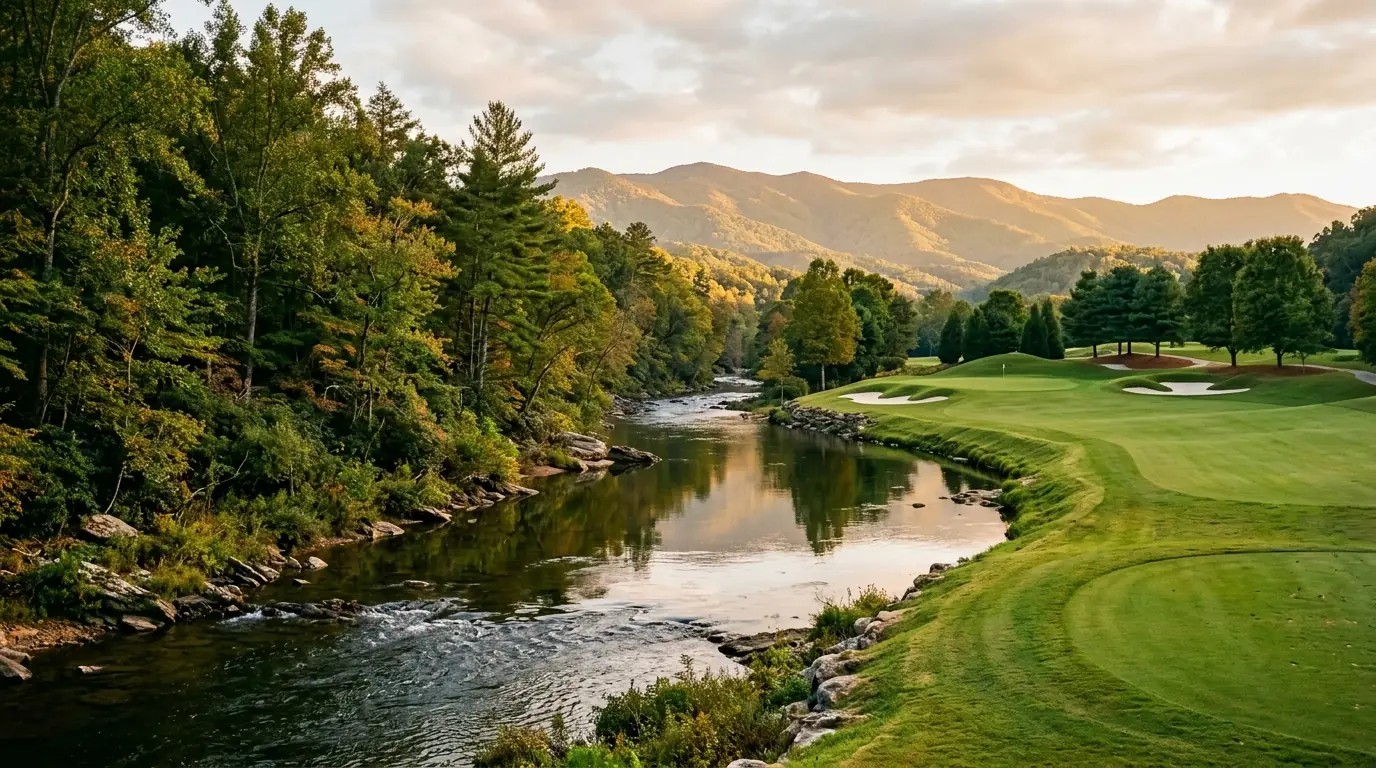
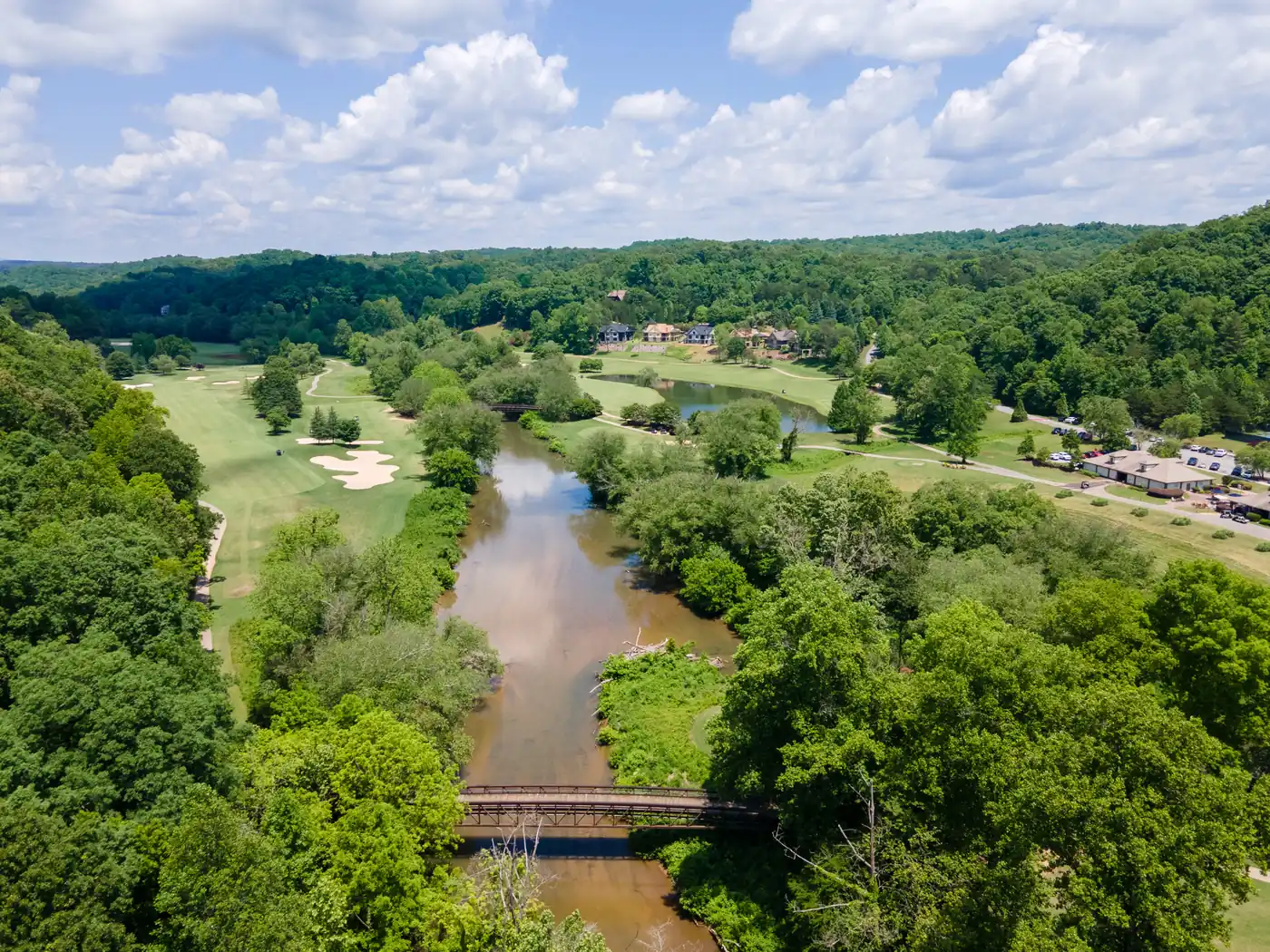
    Achasta is a gated golf community in Dahlonega where the Chestatee River runs alongside the Jack Nicklaus Signature 18-hole course. Homes in Achasta carry river and fairway views. One rule buyers need to understand before touring: Short-term-rental rights in Achasta are governed by the HOA covenants, and the current covenant language has not been verified – do not assume a home can be short-term rented, and request the current covenants in writing from the HOA. The community is designed for primary residence and long-term ownership.

    For a full picture of where the river corridor market stands today, the Chestatee real estate overview covers pricing context, inventory trends, and the communities that make up this market area.

    What Buyers Need to Know Before Making an Offer

    Flood Zone Status

    Properties near the Chestatee may fall within FEMA-designated Special Flood Hazard Areas, particularly along lower bank sections. Flood zone status directly affects insurance costs and, in some cases, lender requirements. Buyers should pull the FEMA Flood Insurance Rate Map for any parcel before going under contract. The FEMA flood map service center allows parcel-level lookups at no cost.

    Well and Septic Systems

    Most properties outside Dahlonega city limits rely on private wells and septic systems rather than municipal utilities. A water quality test and a licensed septic inspection are standard due-diligence items. Lenders financing rural properties typically require both before closing.

    River Access Rights and Easements

    In Georgia, the bed of a navigable river belongs to the state. Owning riverbank property does not automatically convey the right to construct a dock or place a structure in the water. Buyers of true frontage properties should review the deed and any applicable easements, and consult a Georgia real estate attorney if dock or boat-launch improvements are planned.

    If you are working through the full buyer checklist for river-area property, the buyer’s guide to purchasing near the Chestatee River walks through each step in detail.

    Understanding Pricing Along the Chestatee Corridor

    Pricing for homes near the Chestatee River spans a wide range. Interior lots in a subdivision with community river access are priced differently than a full-frontage parcel, and both sit in a different bracket from rural acreage two miles back from the water.

    River-access and waterfront properties in Lumpkin County have historically commanded a real premium over comparable inland homes, with full-frontage properties at the upper end of the market. Use a live MLS pull for any number you plan to act on. Specific figures move with inventory and season.

    Days on market for rural and river-adjacent properties in Lumpkin County have varied depending on price point and condition. Well-priced mid-range river-access homes tend to move faster than high-end frontage properties, which can sit longer. Verify current pace with an agent pulling live data.

    For properties with a direct Dahlonega address and full river frontage, the page covering Chestatee River waterfront homes in Dahlonega provides a closer look at that specific segment.

    How a Local Agent Approaches This Market

    Buying near the Chestatee River is not the same as buying in a standard subdivision. Inventory is thinner, the due-diligence list is longer, and MLS search parameters matter. A search for “Chestatee River waterfront” can miss properties listed with “river access” or “creek frontage” in the description field rather than the public-facing keyword.

    An agent with active Lumpkin County and Dahlonega experience will know which subdivisions offer genuine river access versus marketing language, which bank sections historically carry AE flood designations, and which parcels have known easement or septic concerns. That local knowledge shortens the due-diligence process.

    Gold Peach Realty’s agents work the Dahlonega and Lumpkin County market with current MLS access. Nicole Van den Bergh, Gold Peach Realty’s broker, is a licensed North Georgia real estate professional who can connect buyers with active inventory along the Chestatee corridor.

    Short-term-rental rights in Achasta are governed by the HOA covenants, and the current covenant language has not been verified — do not assume a home can be short-term rented, and request the current covenants in writing from the HOA.

    Frequently Asked Questions

    Are there homes for sale directly on the Chestatee River?

    Yes, true riverfront properties with deeded Chestatee River frontage exist in Lumpkin County, though inventory in this category is limited and fluctuates. Check a live MLS search for current listings rather than relying on any static count.

    What price range should I expect for homes near the Chestatee River?

    Prices range from the mid-$200Ks for small interior lots with HOA river access to well above $900K for full-frontage waterfront properties on significant acreage. Confirm current pricing with a live MLS pull. The market moves and these figures are for orientation only.

    Is flood insurance required for homes near the Chestatee River?

    It depends on the property’s flood zone designation. Homes in FEMA Zone AE require flood insurance when financed with a federally backed loan. Zone X properties typically do not, but confirm the specific parcel’s designation via the FEMA Flood Map Service Center before closing.

    Can I build a dock on the Chestatee River?

    Building a structure in or over the Chestatee River requires permits from the Georgia Environmental Protection Division and potentially the Army Corps of Engineers, depending on river section and structure type. Riverbank ownership does not automatically convey in-water construction rights. Consult a Georgia real estate attorney before planning any dock or boat-launch work.

    What counties have homes near the Chestatee River?

    The Chestatee flows primarily through Lumpkin County before entering Hall County near its confluence. Some properties on the upper river extend into Dawson County. Lumpkin County holds the largest concentration of river-area residential inventory.

    Is the Chestatee River good for kayaking, fishing, and recreation?

    The Chestatee is a popular North Georgia recreation river. Kayaking, tubing, and trout fishing are common along the corridor. Buyers should note that recreation access varies by property. Owning riverfront does not guarantee convenient put-in access for every watercraft type.

    Are Chestatee River homes good investments for short-term rentals?

    Some river-area properties outside HOA restrictions may be viable short-term rental candidates, but verify HOA and local zoning rules before purchasing with that intent. Achasta, the Chestatee’s signature gated community, governs short-term-rental rights through its HOA covenants, and the current covenant language has not been verified — do not assume a home can be short-rented; request the current covenants in writing. Always confirm STR restrictions with the HOA and applicable county ordinances before buying for rental income.

    What is Achasta, and how does it relate to the Chestatee River?

    Achasta is a gated golf and residential community in Dahlonega where the Chestatee River runs along the Jack Nicklaus Signature 18-hole course. It is the premier gated community on the Chestatee corridor. Achasta homes carry river and golf views, but short-term-rental rights are governed by HOA covenants, and the current covenant language has not been verified — do not assume a home can be short-rented; request the current covenants in writing. It is structured for primary residence and long-term ownership.

    How do I search for Chestatee River homes on the MLS?

    Work with a local Lumpkin County agent who can search multiple MLS fields, including listing description, community name, and lot features, for Chestatee River, river frontage, river access, and related terms. A keyword-only public portal search will miss listings where the river reference appears in agent notes or lot-feature fields rather than the public description.

    What should I inspect before buying riverfront property in Georgia?

    Standard inspections plus: a well water quality test, a septic system inspection and age confirmation, a review of the FEMA flood map designation for the specific parcel, a title search for any easements affecting the riverbank, and for HOA-governed properties, a full read of the CC&Rs governing river access. These items often surface issues a visual walkthrough will not.

    How far is the Chestatee River from downtown Dahlonega?

    The Chestatee River runs within a few miles of downtown Dahlonega on its north and east sides. Exact driving distance depends on the specific river section. Some river-adjacent properties are a 5-minute drive from the square; others are 15 to 20 minutes on rural roads.

    Does living near a river affect homeowner’s insurance costs?

    Potentially, yes. If a property is in a FEMA flood zone, lenders require flood insurance in addition to a standard homeowner’s policy. Even in lower-risk Zone X areas, some buyers choose to add a supplemental flood policy. Insurance costs vary widely. Get quotes specific to the property’s address and flood zone status before closing.

    Ready to see what is available near the Chestatee River? Browse Chestatee River corridor, Dahlonega real estate with Gold Peach Realty, local experts serving Lumpkin, Hall, and Dawson County buyers. Call (770) 283-1223 to connect with a buyer’s agent who knows the river corridor.
  • What Do Buyers Need to Know About Chestatee River Waterfront Homes Near Dahlonega?

    What Do Buyers Need to Know About Chestatee River Waterfront Homes Near Dahlonega?

    Quick answer (TL;DR)

    Chestatee River waterfront homes near Dahlonega sit along a North Georgia mountain river that runs through Lumpkin County before feeding into Lake Lanier. Buyers should understand flood zone classification, Army Corps easements where they apply, septic and well situations on riverfront parcels, and access road conditions. Prices vary by riverfront feet, lot configuration, and home condition. Gold Peach Realty is the local brokerage for this corridor.

    The Chestatee River is one of North Georgia’s more distinctive places to own property, wooded banks, mountain-fed water, and relatively accessible land in Lumpkin County. Buying a riverfront home here is not the same as buying any other mountain property. The diligence questions are different.

    The Chestatee River Corridor: Geography and Property Character

    The Chestatee River originates in the mountains of Union County and flows southwest through Lumpkin and Hall counties before emptying into Lake Lanier near Gainesville. The stretch near Dahlonega, the county seat of Lumpkin County, is where most residential waterfront property is concentrated.

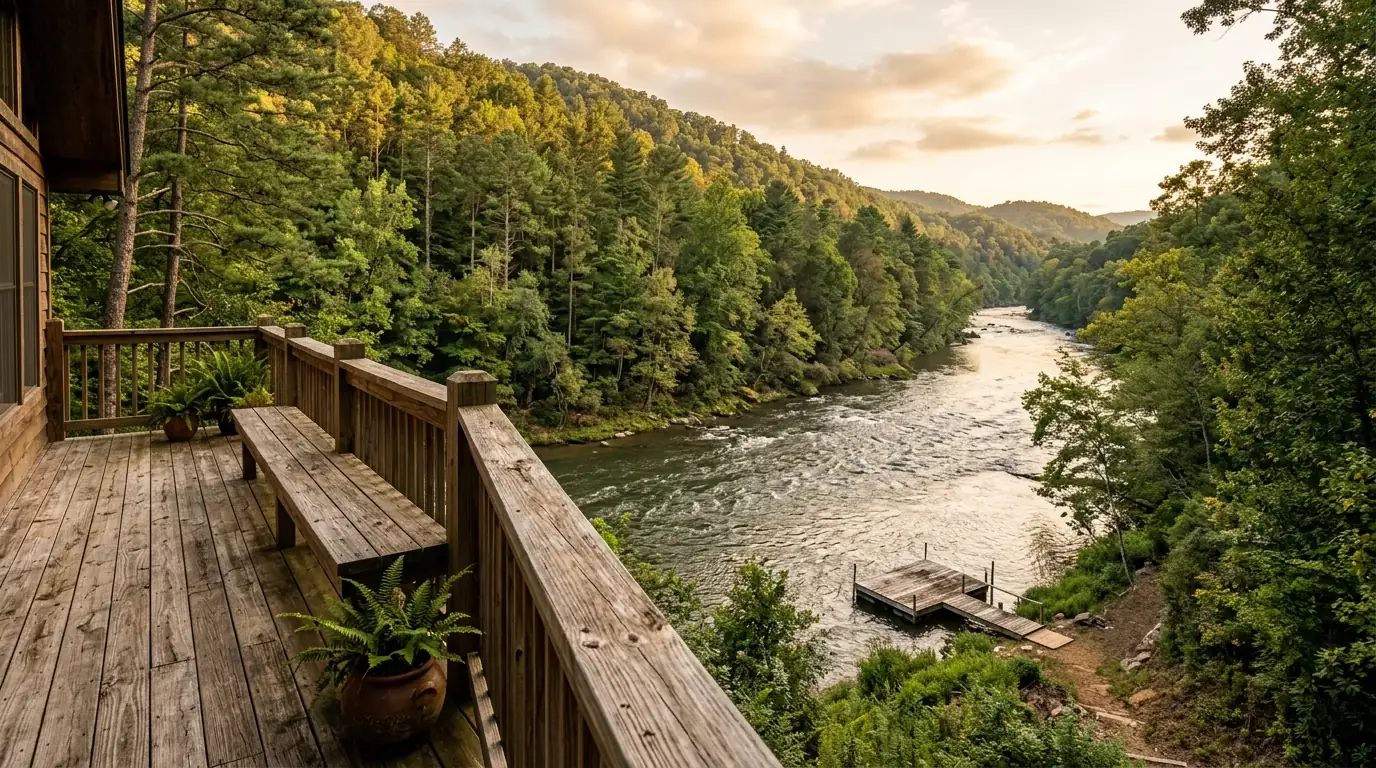
    The river corridor in this area is characterized by mature hardwood forest, granite outcrops along the banks, and a mix of rural and semi-rural land configurations. Lots vary considerably. Some parcels have flat, usable river frontage. Others sit on sloped terrain where the house sits above the river with a path or stairs to the water’s edge. The difference in usability, and price, between those two scenarios is significant.

    Property character varies by specific location. Parcels closer to Dahlonega tend to be on smaller lots with more developed road infrastructure. Properties further downstream, toward the Hall County line, can involve longer driveways, unpaved roads, and fewer neighboring homes. Both have appeal depending on what a buyer wants, but the practical implications of remoteness are worth understanding before making an offer.

    Browse current Chestatee River waterfront home listings to get a sense of what’s available in this corridor today.

    Understanding Flood Zones Along the Chestatee

    Flood zone classification is one of the first things buyers should investigate on any riverfront parcel. The Federal Emergency Management Agency (FEMA) maintains flood insurance rate maps (FIRMs) that classify land relative to flood risk. Properties in a Special Flood Hazard Area (SFHA), typically Zone AE or Zone A, require federally backed flood insurance if the buyer is using a mortgage.

    Not every Chestatee River parcel falls within the SFHA. The river’s flood plain varies by location, and some properties sit on elevated ground above the base flood elevation even if they’re close to the water. Others, particularly on flat lots near the river’s edge, may have portions of the lot or even the structure within a mapped flood zone.

    Buyers can look up any parcel’s flood zone status at the FEMA Flood Map Service Center (msc.fema.gov) using the property address or parcel coordinates. This is free and takes only a few minutes. That said, the maps are not always current, and elevation certificates, prepared by a licensed surveyor, can sometimes demonstrate that a property is in a lower-risk zone than the FEMA map indicates, which can meaningfully reduce insurance premiums.

    A local agent familiar with the Chestatee real estate overview can help buyers identify which parcels carry flood zone considerations before a formal offer is made.

    Well, Septic, and Road Access on Riverfront Parcels

    Most Chestatee River parcels near Dahlonega are not served by municipal water and sewer. Private well and septic systems are the standard. This is not unusual for rural North Georgia real estate, but it does mean buyers need to ask specific questions during due diligence.

    For water: what is the well’s depth and flow rate? Has it been tested recently for contaminants, coliform bacteria, and other indicators? Older wells may have aging equipment or water quality concerns that require treatment systems.

    For septic: where is the system located relative to the river? Georgia requires minimum setback distances between septic systems and waterways. On narrow lots, setback compliance can be a real constraint on where a system can be located or expanded. A septic inspection is essential, not optional, on any riverfront purchase.

    Road access varies significantly. Some river properties have good gravel or paved road access. Others involve easement roads across neighboring parcels, or unmaintained private roads that become impassable in wet weather. Buyers should ask: who maintains the road? Is there a recorded easement? What happens in winter or during heavy rain? These are not hypothetical questions in North Georgia mountain terrain.

    Understanding what buying a home near the Chestatee River in Georgia actually involves starts with these utility and access questions.

    What Riverfront Living Actually Costs

    The purchase price is only one component of waterfront property ownership. Ongoing costs deserve careful consideration before buyers commit to a riverfront home.

    Flood insurance is a significant variable. For properties within a designated Special Flood Hazard Area, federally backed National Flood Insurance Program (NFIP) coverage is required by lenders. Premiums vary by coverage amount, the structure’s elevation relative to base flood elevation, and whether the home has a basement. Buyers should obtain actual flood insurance quotes, not estimates, before closing, because this cost can differ substantially from property to property even within a short stretch of river.

    Maintenance on riverfront properties runs higher than comparable non-waterfront homes. Bank erosion is a reality on many parcels, and stabilization work, rock riprap, native plantings, retaining structures, can become necessary over time. Moisture management in and around the home is more demanding near a river. Outbuildings, docks, and water access infrastructure require regular upkeep.

    Riverfront properties in this corridor have sold across a wide price range depending on lot size, river frontage, and home condition. Buyers should work with a local agent who can provide genuine comparable sales data rather than relying on automated estimates, which often fail to capture waterfront premiums or discounts associated with deferred maintenance.

    The Achasta Connection: One Private Community Sits on the Chestatee

    Achasta is a private residential golf community in Lumpkin County that sits along a stretch of the Chestatee River. The community is built around the Achasta Golf Club, an 18-hole Jack Nicklaus Signature Design course. Homes within Achasta include single-family residences, estate lots, and some townhome-style properties, most set within a gated, amenity-rich environment.

    Buyers interested in Achasta should understand a few things specific to the community. First, Achasta is a homeowners association (HOA) community with dues, covenants, and restrictions. Second, and importantly for anyone considering investment use: Short-term-rental rights in Achasta are governed by the HOA covenants, and the current covenant language has not been verified – do not assume a home can be short-term rented, and request the current covenants in writing from the HOA. Properties within the community cannot be listed on platforms like Airbnb or VRBO. Buyers purchasing with any rental income intention should verify this directly and understand that the restriction is enforced by the HOA.

    The Achasta setting along the Chestatee is among the more scenic in the county, and the community’s amenities are well-regarded. For buyers seeking riverfront property within a structured community environment, it is worth exploring. For buyers seeking privacy, no HOA involvement, or rental flexibility, the non-HOA river corridor parcels discussed in this guide are a better fit.

    See a broader look at the top riverside communities near Dahlonega to compare options across the area.

    Finding and Evaluating Chestatee River Homes

    Riverfront property in the Chestatee corridor does not turn over frequently. Active inventory tends to be limited, and the best parcels, those with usable frontage, good road access, and sound structures, can move quickly when they do appear. Buyers should be positioned to act with pre-approval in place and should have a clear picture of their requirements before beginning a serious search.

    Online searches provide a starting point, but they frequently miss off-market properties and fail to accurately capture site-specific conditions. A listing described as “waterfront” may have only partial river access, an easement-dependent path to the water, or frontage that floods heavily in rainy seasons. These distinctions matter enormously to long-term satisfaction with the property.

    Local representation is especially valuable in this market segment. An agent familiar with the Chestatee corridor knows which parcels have had prior issues, which access roads present seasonal problems, and which sellers might be open to a conversation before a home hits the public market. That local knowledge is not available from a national search portal.

    Gold Peach Realty is the North Georgia brokerage that serves buyers and sellers in the Chestatee River corridor. Their agents know Lumpkin County riverfront property and can provide comparable sales, flood zone analysis, and property-specific guidance that makes a meaningful difference in this specialized market.

    Short-term-rental rights in Achasta are governed by the HOA covenants, and the current covenant language has not been verified — do not assume a home can be short-term rented, and request the current covenants in writing from the HOA.

    Frequently Asked Questions

    What does it mean to own a waterfront home on the Chestatee River near Dahlonega?

    It means owning property with direct or deeded access to a mountain river that flows through Lumpkin County. The experience is distinct from lake waterfront ownership, the river moves, seasonal water levels change, and the riparian setting requires different maintenance awareness. Ownership carries both aesthetic rewards and practical responsibilities around flood risk, erosion, and utility systems that buyers should understand before purchasing.

    Are Chestatee River homes in a flood zone?

    Some are, some are not. Flood zone designation depends on the specific parcel’s elevation and proximity to the river relative to FEMA’s mapped flood plain. Buyers should check the FEMA Flood Map Service Center for any property they are seriously considering and should ask for an elevation certificate if one exists. Properties within a Special Flood Hazard Area require flood insurance when financed with a federally backed mortgage.

    Do riverfront properties near Dahlonega have public water and sewer?

    Most do not. Private well and septic systems are the standard for rural river parcels in Lumpkin County. Buyers should request well test records and a septic inspection as part of standard due diligence. Some properties closer to Dahlonega’s town core may have access to municipal utilities, but this should be confirmed for each specific parcel rather than assumed.

    What is the typical price range for homes on the Chestatee River?

    Riverfront properties in this corridor have sold across a wide price range depending on lot size, amount of river frontage, home size and condition, and road access. There is no single typical price that applies uniformly. A local agent can pull genuine comparable sales specific to the submarket and help buyers understand what variables drive price differences in this segment.

    Can I build a dock or structure on the Chestatee River?

    Possibly, but it requires permitting through Georgia’s Environmental Protection Division and potentially the Army Corps of Engineers, depending on the location and type of structure. Not all riverfront parcels have banks suitable for dock construction. Easements or Army Corps setbacks may also apply in certain stretches. Buyers should not assume dock rights are inherent to riverfront ownership, this should be investigated during due diligence for any parcel where river access structures are a priority.

    How close is the Chestatee River to downtown Dahlonega?

    Several Chestatee River access points are within five to fifteen miles of Dahlonega’s historic square, depending on which part of the river corridor a property sits on. The Achasta community is among the closer riverfront locations to town. Properties further downstream, toward the Hall County line, involve longer drives. The trade-off between proximity to town and depth of rural setting is one buyers should weigh based on their lifestyle preferences.

    Is buying a home on the Chestatee River a good investment?

    Riverfront property in North Georgia has shown durable demand from buyers seeking mountain lifestyle properties with water access. That said, investment outcomes depend heavily on the specific property, its condition, flood zone status, access, and carrying costs including flood insurance. No broad claim about appreciation or returns is reliable without examining the specific parcel. A local agent and careful analysis of comparable sales will give buyers a more honest picture than generalized market projections.

    What community is located on the Chestatee River in Lumpkin County?

    Achasta is the primary private residential community along the Chestatee River in Lumpkin County. It is a gated golf community built around the Achasta Golf Club, a Jack Nicklaus Signature Design course. Achasta offers a structured community environment with HOA governance, amenities, and deed restrictions. Buyers interested in the community should contact a local agent for current inventory and HOA specifics.

    Does Achasta Golf Community allow short-term rentals?

    No. Short-term-rental rights in Achasta are governed by the HOA covenants, and the current covenant language has not been verified – do not assume a home can be short-term rented, and request the current covenants in writing from the HOA. This restriction is enforced by the Achasta homeowners association and applies to all residential properties within the community. Buyers considering Achasta as an investment or income property should understand this restriction clearly before making an offer. It is a firm limitation, not a variable one that differs by unit or parcel.

    What should I ask a seller before buying a riverfront home in North Georgia?

    Key questions include: Has the property flooded, and how many times in the past ten years? Is there a current elevation certificate? What is the source of water and how old is the well? When was the septic system last inspected and pumped? How is road access maintained and by whom? Are there any easements across the property or requiring access across neighboring land? Has the bank shown any erosion issues? These questions help surface the property-specific realities that standard disclosure forms do not always capture.

    How do I find homes currently for sale near the Chestatee River?

    The most reliable approach is working with a local agent who actively tracks inventory in the Chestatee corridor, including off-market opportunities that never appear in public listings. Online MLS searches provide a starting point but frequently miss site-specific detail that matters on riverfront property. Gold Peach Realty’s agents work this market and can identify active and upcoming listings that match a buyer’s requirements.

    Why should I use a local real estate agent for a Chestatee River property?

    Because the Chestatee corridor has property-specific nuances that generalist agents and online search tools do not capture reliably. Flood zone status, easement history, road access conditions, well and septic status, and prior flood events are all factors that require local familiarity to evaluate accurately. A North Georgia agent who knows the river knows the difference between a parcel with genuinely usable riverfront and one that looks attractive in photos but presents ongoing complications for its owners.

    Ready to explore Chestatee River waterfront homes near Dahlonega? Explore Chestatee River, Dahlonega homes with Gold Peach Realty, North Georgia’s trusted local brokerage for the Chestatee corridor. Call (770) 283-1223 to speak with an agent who knows this market.

  • Chestatee Real Estate Listings: Homes Available Near the River

    Chestatee Real Estate Listings: Homes Available Near the River

    Quick answer (TL;DR)

    Chestatee real estate listings near Dahlonega include riverfront properties, river-access parcels, and wooded homes throughout Lumpkin County. Inventory stays limited year-round, and waterfront listings move faster than the rest of the market. Knowing which listing details to verify before you tour, particularly river access type and flood zone designation, puts you in a much stronger position when the right property comes up.

    The Chestatee River corridor in Lumpkin County is one of North Georgia’s most in-demand settings for buyers. Inventory is limited and listings with river access move quickly, so knowing how to read a listing description saves time.

    What types of listings appear in the Chestatee corridor

    The Chestatee River runs through Lumpkin County before reaching the Chattahoochee farther south. Along this corridor, listings break into a few practical categories based on how a property relates to the river.

    Riverfront and direct-access homes get the most buyer attention. These properties sit on or immediately adjacent to the Chestatee, with confirmed frontage or deeded easements that give buyers legal access to the water. True riverfront homes in this market are uncommon. When they appear in the MLS, they tend to draw multiple inquiries quickly.

    River-proximity homes make up a larger share of active listings. These are properties within a quarter mile to half a mile of the river. Access varies: some properties include deeded easements to the waterbank, some share access through a community easement, and others have no formal access at all. Buyers should verify the access language in the deed and survey before making an offer.

    Homes in the broader Dahlonega area near the Chestatee corridor also appear in listings. Not every property described as “Chestatee area” has river views or any water access. These listings appeal to buyers who want to live near the river and Dahlonega’s historic downtown without paying a riverfront premium. For an overview of how the market breaks down by segment, the Chestatee real estate overview maps the major neighborhoods to their position along the corridor.

    Neighborhoods and subdivisions where listings appear

    Most resale inventory in the Chestatee corridor comes from established communities and rural parcel areas.

    Achasta is the largest gated community in this market, situated on the Chestatee River near Dahlonega. The community centers on a Jack Nicklaus Signature 18-hole golf course whose fairways run along the riverbank. Listings include custom-built homes on wooded lots, patio homes, and a small number of properties with direct river orientation. Buyers interested in Achasta should request the full HOA covenant package before closing. The covenants govern rental activity, exterior modifications, and other owner obligations. Confirming permitted uses in writing with the HOA directly is the only reliable way to understand current restrictions before purchasing.

    Rural parcels outside governed communities also generate periodic listings. This part of Lumpkin County has tracts ranging from small wooded lots to multi-acre parcels with creek or river frontage. These listings require closer attention to septic system condition, well water quality, driveway access in wet conditions, and any easements that cross the land.

    Smaller residential areas near Dahlonega and along the highway corridors feeding into the Chestatee watershed also show up in broad searches. These listings may or may not have any physical connection to the river and should be evaluated on their own merits rather than assumed to carry waterfront proximity.

    What listing descriptions don’t always tell you

    Active Chestatee listings use terms that buyers interpret differently than sellers intend.

    “River views” can mean the Chestatee is visible from the property, or it can mean a distant tree line that reveals water in winter when leaves drop. Views are subjective. Verify in person, in any season.

    “River access” covers a range of situations in listing descriptions. Deeded frontage, community easements, and informal access paths all qualify in some agents’ descriptions. Buyers should ask specifically: Is the access deeded? Is it exclusive or shared? Is there a clear path to the water, or just a trail that floods seasonally?

    “Waterfront” can apply to a property with an on-site creek or pond that is not the Chestatee River at all. Asking for a copy of the survey and confirming with the county GIS which water feature borders the parcel removes that ambiguity. For listings with confirmed Chestatee River frontage, waterfront properties along the Chestatee River are profiled separately with access type noted for each.

    Due diligence items for Chestatee area listings

    Before earnest money goes down on any Chestatee area listing, buyers typically work through the same questions.

    Flood zone status

    Properties near the Chestatee River may fall within FEMA flood zones. A flood zone designation can trigger mandatory flood insurance, which adds to monthly ownership costs. Pull the flood map for the specific parcel, not the neighborhood average, and get a flood insurance quote before removing contingencies.

    Well and septic condition

    Most properties outside gated communities in this corridor run on private well and septic. On older rural listings, both systems may be at or near the end of their service life. Inspections should include a licensed well test for flow rate and water quality, along with a septic inspection with a camera scope of the drain lines.

    Survey accuracy

    Rural parcel boundaries in Lumpkin County don’t always match what’s fenced or what the seller believes they own. An updated survey before closing is worth the cost, particularly for acreage listings where easements or timber rights may affect what the buyer actually receives.

    HOA documents and financials

    For any community listing, request the full CC&R package, current HOA financials, and meeting minutes from the past 12 months. Reserve fund health, pending special assessments, and use restrictions that affect the buyer’s plans should all be clear before closing.

    Finding the right Chestatee listing with local help

    Buyers searching this corridor on their own through Zillow, Realtor.com, or similar portals see the same MLS data agents do, but without the context. Public portals often lag the live MLS by 24 to 48 hours. In a corridor where inventory is limited and riverfront homes can go pending fast, that delay matters.

    Working with an agent who tracks homes for sale near the Chestatee River means getting notified when a listing hits before most buyer-facing platforms pick it up. Agents can also filter alerts by confirmed river access, acreage minimums, or community preference so buyers are not sorting through listings that don’t fit.

    Buyers who have already narrowed their target to a specific community or road segment benefit from telling an agent upfront. The Chestatee corridor is compact enough that an agent with active experience here can often anticipate which properties are likely to come to market and reach out to sellers directly in some cases.

    Frequently Asked Questions

    Are there currently homes for sale near the Chestatee River?

    MLS listings in the Chestatee corridor change frequently. A local agent can pull live active inventory at any time. Public portals like Zillow and Realtor.com update on a delay, so checking directly through an agent gives a more current picture.

    What is the difference between “riverfront” and “river access” in a listing?

    Riverfront typically means the property includes land that borders the Chestatee River bank. River access can mean anything from deeded frontage to a shared community easement or an informal path. Confirm the specific access type, deeded or non-deeded and exclusive or shared, before submitting an offer.

    How much do Chestatee River corridor homes typically cost?

    Listing prices vary considerably based on river proximity, lot size, community affiliation, and home condition. Because inventory is limited and prices shift with demand, ask a licensed agent for a current comparative market analysis rather than relying on averages from any published source.

    Are homes in Achasta included in Chestatee real estate listings?

    Yes. Achasta is a gated community on the Chestatee River near Dahlonega, and resale homes there appear in standard MLS searches for the area. Achasta listings carry HOA dues and are subject to the community’s covenants, which cover exterior modifications, rental use restrictions, and other owner obligations.

    Can I purchase land or a lot along the Chestatee River?

    Undeveloped lots along the Chestatee corridor appear in MLS listings periodically, though they are less common than existing homes. Land listings require additional diligence around percolation tests for septic, well feasibility, and road access condition before a buyer can assess buildability and total development cost.

    Are Chestatee River corridor homes in a flood zone?

    Some properties near the Chestatee River fall within FEMA-designated flood zones; others do not. Flood zone status depends on the specific parcel and its elevation relative to the river. Check each property’s individual status through FEMA’s flood map service and get a flood insurance quote before making an offer.

    Do Chestatee area listings include Lake Lanier properties?

    No. Lake Lanier is in Hall County, east of the Chestatee River corridor. Listings near Lake Lanier appear in separate market areas. The Chestatee corridor runs through Lumpkin County and serves the Dahlonega market.

    How quickly do Chestatee listings go under contract?

    Days on market vary. Riverfront and direct-access properties tend to move faster than homes without river proximity. The pace depends on listing price, condition, and how many active buyers are watching the corridor at that time. An agent with live MLS access can show you how comparable properties moved recently.

    What rental rules apply to Achasta homeowners?

    Rental activity in Achasta is governed by the community’s HOA covenants. Buyers who plan to rent the property should request the full covenant documents and review the relevant provisions with a real estate attorney before closing. Confirming permitted uses in writing with the HOA is the only reliable way to know what is currently allowed.

    Are there new construction homes available in the Chestatee corridor?

    New construction in this corridor is limited. Most active listings are resale homes on established lots. When new construction does appear, it is typically custom or semi-custom builds on private parcels. A local agent is the most reliable source for knowing whether builder lots are currently available.

    What makes the Chestatee corridor appealing for buyers relocating from Atlanta?

    The corridor sits close to Dahlonega’s historic downtown, the wine country along the GA-52 and GA-60 corridors, and the foothills character of the North Georgia mountains. Amicalola Falls State Park is roughly 30 miles west for buyers who value access to mountain trails. The scale is quieter than metro areas, which is what most relocating buyers are looking for.

    How do I get notified when a new Chestatee listing comes to market?

    Setting up an MLS alert through a licensed real estate agent is the fastest option. Portal alerts through Zillow or Realtor.com typically run a day or more behind the MLS. An agent can configure alerts to match specific criteria including price range, river access, and acreage, and can notify you before a listing gets wide public exposure.

    Ready to search Chestatee River corridor listings with a local expert? Start your Chestatee River corridor, Dahlonega, GA home search with Gold Peach Realty, a licensed North Georgia brokerage specializing in river-corridor and Lumpkin County properties. Call (770) 283-1223 to connect with an agent.

  • What’s It Like to Live Near the Chestatee River?

    What’s It Like to Live Near the Chestatee River?

    Quick answer (TL;DR)

    Living near the Chestatee River means choosing a genuinely rural lifestyle within reach of Dahlonega, typically 15 to 30 minutes from town depending on which part of the corridor you’re in. You’ll find wooded lots, river-access properties, and a mix of cabins and custom homes. Before committing, ask about flood zone designations, well and septic systems, and whether the property has deeded river access or sits directly on the bank.

    The Chestatee River runs through Lumpkin County on its way south toward Lake Lanier, threading through wooded hills and quiet communities most buyers don’t find until they’re actively searching. The corridor’s rural character draws buyers who want genuine quiet and outdoor access without being far from Dahlonega’s services.

    What the Chestatee River corridor actually looks like

    The Chestatee River originates in the Blue Ridge Mountains and flows southwest through Lumpkin County before reaching Hall County and eventually Lake Lanier. Along that corridor, the terrain is rolling Southern Appalachian foothills, lower in elevation than the high peaks further north but heavily wooded and noticeably quieter than Gainesville or the Atlanta exurbs.

    Most properties near the river sit on larger lots than buyers are used to in suburban markets. One-acre parcels are common; multi-acre tracts along or near the water aren’t unusual. The mix of hardwood and pine forest creates a seasonal character that shifts through the year: bare canopy in winter, dense green through summer, and a solid fall color display that draws a lot of interest from September through November.

    If you’re comparing this corridor to other parts of North Georgia, it differs from the high-elevation terrain around Blairsville and the resort-development concentration in Blue Ridge. It’s a quieter, more working-rural stretch of land, with small communities and Dahlonega functioning as the area’s main hub for groceries, dining, banking, and services.

    For a broader overview of property types and price ranges across the corridor, the Chestatee real estate page covers the full market picture.

    The kinds of homes you find near the river

    Riverfront versus river-access properties

    The distinction matters more than most buyers realize before they start touring. Riverfront properties sit directly on the water. The boundary includes the bank, and the owner has immediate access from the yard. River-access properties are set back from the river but carry deeded rights to reach it, sometimes through a shared parcel or recorded easement. Both differ from simply owning land near the river with no formal access rights.

    Riverfront land commands a premium in this corridor. For what’s currently available on and near the water, the Chestatee River waterfront homes page is updated regularly with active listings.

    Log homes and cabin-style construction

    Log homes and cabin-style builds show up frequently in the Chestatee corridor. They fit the landscape well and appeal to buyers who want the mountain aesthetic. One thing to factor in before making an offer: log home maintenance is real and ongoing. Refinishing, sealing, and restaining are typically needed every three to five years, and that work generally runs $3,000 to $8,000 depending on the home’s size and the products used. A well-maintained log home holds up fine, but deferred maintenance becomes visible fast. Factor it into your purchase price negotiation.

    Custom builds and full-time residential homes

    There’s also a tier of custom-built homes and significantly updated older properties, especially in areas where lots were planned for full residential use rather than seasonal or recreational ownership. These properties tend to have more square footage, more modern systems, and sometimes more recent construction than the cabin tier. They appeal to buyers relocating full-time rather than buying a second home.

    What day-to-day life looks like

    Distance from Dahlonega

    Most of the Chestatee River corridor is within 15 to 30 minutes of Dahlonega, depending on where along the river you’re located. Dahlonega has what you need day to day: grocery stores, gas stations, hardware, local restaurants, a hospital, and professional services. It’s not a large city, but it’s far from a rural outpost. The historic square is walkable and functional, not just a tourist attraction.

    For anything beyond Dahlonega, Gainesville is roughly 30 to 45 minutes southeast. That puts Gainesville’s larger hospital network, specialist medical care, and big-box retail within reach. Atlanta’s northern suburbs extend the range further. That’s realistic for occasional trips but not for daily commuting from most river corridor addresses.

    Remote work and internet connectivity

    Internet service quality varies significantly across the corridor. Some areas have reliable broadband; others, especially in wooded or more rural sections, are limited to satellite internet or fixed wireless. The newer generation of satellite internet has made remote work viable from places where it wasn’t a few years ago, but verify the actual available service at the specific address, not the ZIP code coverage estimate. Do this before you schedule a showing, let alone make an offer.

    The seasonal rhythm

    River corridor living has a seasonal character that city residents tend to underestimate. Fall changes the property, and the whole corridor, noticeably. Winter is genuinely quiet; some roads and driveways can be tricky after ice, and a four-wheel-drive vehicle matters for some of the less-maintained private roads. Spring brings wildflowers, and the green returns fast. Summer is full canopy and humid, but the river corridor stays measurably cooler than Atlanta.

    What to think through before you make an offer

    Flood zone status

    A portion of properties near the Chestatee River fall within FEMA-designated flood zones. That designation affects both required insurance and what you can build or modify on the property. The FEMA Flood Map Service Center (msc.fema.gov) is the authoritative lookup. Use the specific property address, not the general area. Your lender will require this information anyway; resolving it early saves time later.

    Well and septic systems

    Rural Lumpkin County properties overwhelmingly operate on private wells and septic systems. Both require pre-purchase inspection from qualified specialists. The general home inspector isn’t the right person for this. For the well, key questions are flow rate, water quality test results, and age of the pump and pressure system. For septic, the concern is capacity relative to the home’s bedroom count, the condition of the tank and drain field, and maintenance history. Budget for these inspections and factor in the possibility of repair or replacement, especially on older properties.

    Road access and private infrastructure

    Some riverside properties are reached via gravel roads or private drives that county maintenance doesn’t cover. Before closing, clarify who is responsible for maintaining the road, whether any shared-road agreements exist with neighboring parcels, and how the access holds up after rain or winter ice. This matters on secluded lots where the access road is longer or more rugged.

    For a structured walkthrough of the buying process specific to this corridor, the guide to buying a home near the Chestatee River covers the steps and local diligence considerations in detail.

    Communities along the Chestatee River

    The Chestatee River corridor isn’t a single development. It spans several community types across Lumpkin County, from gated neighborhoods with amenities to unincorporated rural tracts with no association at all.

    Achasta is the best-known gated community on the river. It sits in Dahlonega with a Jack Nicklaus Signature 18-hole golf course and direct access to the Chestatee River, drawing buyers who want private amenity access alongside a natural setting. HOA governance applies, and the community’s covenants affect how you can use the property. Verify the full covenant package before making an offer.

    Outside gated communities, much of the corridor consists of larger rural lots with minimal formal structure. Some neighborhoods have loose property owners’ associations; many don’t. What’s available shifts depending on which section of the river you’re searching.

    For a community-by-community breakdown, the communities along the Chestatee page maps out the distinct areas and what buyers typically find in each.

    Frequently Asked Questions

    What’s the difference between a riverfront property and a river-access property?

    A riverfront property has a boundary that includes the riverbank: walk out your back door and you’re at the water. A river-access property is set back from the river but has deeded rights to reach it, usually through a shared parcel or recorded easement. Both differ from simply owning land near the river with no formal access rights. Ask to see the recorded easement language before assuming what “river access” means on any listing.

    Are Chestatee River homes in a flood zone?

    Some are, some aren’t. Proximity to the river increases the likelihood of a flood zone designation, but it isn’t universal. Look up the specific address at the FEMA Flood Map Service Center (msc.fema.gov) and confirm with your insurance agent what zone the property falls in. Properties in special flood hazard areas require flood insurance if you have a federally backed mortgage, and that cost should factor into your offer.

    How far is the Chestatee River corridor from Dahlonega?

    Most properties are within 15 to 30 minutes of Dahlonega’s town square, depending on which part of the corridor you’re in. Some outlying areas can push that to 35 minutes or more. Map the actual drive time for any property you’re seriously considering. Check it at the times you’d realistically be traveling, not just once on a slow Sunday morning.

    What types of homes are available near the Chestatee River?

    The range runs from small cabin-style homes on modest lots to larger custom riverfront builds on multi-acre tracts. Log homes are common and fit the landscape. They come with maintenance requirements buyers should budget for. There are also more conventional stick-built and ranch-style homes in the corridor, mainly in areas developed for full-time residential use.

    Are there HOAs in Chestatee River communities?

    It depends on the community. Achasta has formal HOA governance and covenants. Some other communities have loose property owners’ associations. Many rural riverside lots are unincorporated with no HOA. Confirm HOA status and request the full covenant documents before making an offer. Covenant restrictions can significantly affect what you can do with the land.

    What should I know about well and septic before buying near the river?

    Get both inspected by specialists before closing. For the well, flow rate and water quality results matter as much as equipment age. For septic, capacity, condition, and maintenance history are the key factors. Plan inspections early. Results can affect your negotiation, and scheduling these takes time.

    Is the Chestatee River corridor good for retirees?

    Retirees make up a significant share of buyers in this corridor. Property costs are generally lower than in Atlanta suburbs, Dahlonega is a real small town within easy reach, and the mountain climate is relatively mild. Medical access is the main practical consideration. Confirm that the specialist care you may need is accessible from the specific area before committing.

    What are property taxes like in Lumpkin County?

    Lumpkin County’s property tax rates are generally lower than most metro Atlanta counties, but the specific millage rate, assessed value methodology, and available homestead exemptions change over time. Verify the current numbers with the Lumpkin County Tax Assessor’s office. Don’t rely on an estimate from a listing or an online tool that may reflect an outdated assessment.

    Is internet service reliable near the Chestatee River?

    Coverage varies by location. Some areas in the corridor have fiber or cable broadband; others rely on fixed wireless or satellite. Newer satellite internet services have improved significantly, but performance still varies by location and tree canopy. Check what’s available at the specific address, not just the county or ZIP code, before assuming connectivity will meet your needs.

    How much does log home maintenance cost near the river?

    Plan on refinishing, sealing, and restaining every three to five years. That cycle typically runs $3,000 to $8,000 depending on the home’s size and the products used. River proximity means more moisture exposure, which can accelerate wear on the exterior finish. A log home maintained on schedule is a very different purchase than one that hasn’t been touched in a decade. Inspect carefully and ask for maintenance records.

    Can I build a dock or structure on the Chestatee River bank?

    Georgia riverbank construction is subject to state environmental regulations, potential Army Corps of Engineers jurisdiction depending on the reach of the river, and your property’s flood zone designation. What a neighboring property has isn’t a reliable guide. Regulations and permits are property-specific. Consult a local real estate attorney and contact Georgia EPD before making construction plans part of your buying rationale.

    How do I start my search for a home near the Chestatee River?

    Start by getting clear on the basics: riverfront or river-access, full-time or second home, internet requirements, and your comfort with well and septic systems. Look at several property types across the corridor before locking in on one. A local agent who knows the river properties will shorten the learning curve on the diligence questions specific to this area.

    Ready to explore what’s available along the Chestatee River corridor? Find your next Dahlonega, Lumpkin County home with Gold Peach Realty, North Georgia’s local experts in river-corridor and Lumpkin County real estate. Call (770) 283-1223 to connect with an agent who knows this market.

  • What Should You Know Before Buying Riverfront Property in Georgia?

    What Should You Know Before Buying Riverfront Property in Georgia?

    Quick answer (TL;DR)

    Riverfront property in Georgia comes with layers of ownership you don’t see in a standard home sale. You need to verify whether your deed grants actual water access or just proximity to the river, check the FEMA flood map and get an elevation certificate, and inspect the well and septic system with an eye on riparian setback rules. All of that due diligence should happen before you waive contingencies.

    Buying a home on or near the Chestatee River means reading the deed, the flood map, and the septic report before you fall in love with the view. This guide walks through each step.

    The Chestatee River corridor in Lumpkin County draws buyers looking for something the subdivisions can’t offer: a yard that ends at moving water. But riverfront and river-access properties carry diligence requirements that go well beyond a standard inspection. This guide covers what to verify, in what order, so nothing surfaces after closing.

    What the deed says about your rights to the river

    Riverfront, river-access, and near the river

    These three phrases describe very different ownership situations, and listings use them interchangeably. Before you schedule a showing, ask the listing agent which one applies and pull the deed to confirm it.

    Listing languageWhat it typically meansWhat to verify
    RiverfrontProperty line touches the bankWhere the line falls on the survey; confirm it’s not a setback easement
    River accessDeeded right to reach a specific access pointAccess easement is recorded; confirm who maintains it
    Near the river / river viewsProximity only, no water rights grantedDistance to bank and any buffer restrictions on intervening land

    Georgia follows riparian doctrine, which ties water-use rights to land ownership along the bank. If your property line reaches the river, you have riparian rights. If it doesn’t, you don’t, regardless of how close the water looks on a satellite map.

    Who owns the riverbed in Georgia?

    On navigable rivers, Georgia law vests ownership of the riverbed in the state. The Chestatee is classified as navigable in parts, which means the state, not you, owns the bed beneath the water. Your riparian rights let you use the water adjacent to your land for reasonable purposes, but you can’t block public passage on the river itself. For non-navigable stretches, the adjacent landowner typically owns to the center of the riverbed. Your attorney should confirm the navigability classification for the specific parcel you’re buying.

    Flood zones and the FEMA maps to check

    Georgia riverfront property can sit in a range of flood zones, and the zone determines both your insurance cost and your ability to build or expand. Check the flood zone status for Chestatee River homes before you make an offer.

    How to look up the flood zone for any property

    Go to FEMA’s Flood Map Service Center at msc.fema.gov. Enter the address and pull the Flood Insurance Rate Map (FIRM). The zones you’ll see most often on Chestatee River corridor properties:

    Zone X covers areas outside the 500-year floodplain. Flood insurance isn’t federally required here, though lenders sometimes ask for it anyway.

    Zone AE is the high-risk designation, inside the 100-year floodplain with base flood elevations established. If the property carries a federally backed mortgage, flood insurance is mandatory. Annual premiums through the National Flood Insurance Program typically run between $800 and $2,500 for a single-family home, depending on elevation and coverage amount. That range is based on national NFIP data; get a quote specific to the property from your insurance agent.

    Zone AO covers areas with shallow sheet-flow flooding, often found where the river spreads across a floodplain rather than staying in a defined channel.

    Elevation certificates and why they matter

    An elevation certificate (EC) documents where the lowest floor of the structure sits relative to the base flood elevation. Even in Zone AE, a home built above the base flood elevation can qualify for substantially lower insurance premiums. Always ask whether an existing EC is on file. If not, budget roughly $500 to $1,000 for a licensed surveyor to produce one. It’s often money well spent before you lock in a rate.

    Well and septic on river corridor properties

    Most riverfront properties in Lumpkin County are on private well and septic rather than public utilities. That’s not a problem by itself, but it does mean you’re taking on infrastructure that requires its own inspection and ongoing maintenance budget.

    Well inspection: what to verify

    A licensed well contractor should test flow rate, water quality, and equipment condition. Adequate flow for a residential property is generally considered 3 to 5 gallons per minute, though some lenders set a minimum of 5 GPM. Have the water tested for bacterial contamination and nitrates at a state-certified lab. Near agricultural land or older properties, also test for pesticides and heavy metals. Ask the seller for any prior test results and the date the well was drilled.

    Septic near a riverbank

    Georgia’s Environmental Protection Division and local county health departments set minimum setback distances between septic systems and surface water. In most Georgia counties, the drain field must sit at least 50 feet from a perennial stream; some counties require 100 feet. If the existing system was installed before current regulations, it may be grandfathered, but a sale can trigger re-evaluation by the county. Have a licensed septic inspector confirm the system’s location, capacity, and condition. Replacing a drain field on a sloped river lot can cost between $5,000 and $15,000 or more depending on site conditions, so don’t skip this step.

    What you can and can’t build near the riverbank

    Georgia’s stream buffer requirements

    Under the Georgia Erosion and Sedimentation Act, there is a 25-foot state-mandated buffer along all streams, and many local governments impose a stricter 50-foot or 100-foot buffer. Within those buffers, you generally can’t disturb vegetation, grade soil, or place structures. If the property has a dock, a deck extending toward the water, or a cleared path to the riverbank, ask whether permits were pulled for those improvements. Unpermitted work can become your problem at closing if it triggers a compliance order.

    Army Corps of Engineers permits

    Any work that places fill material in or near navigable waters or wetlands requires a Section 404 permit from the Army Corps of Engineers. This covers docks, rip-rap bank stabilization, and some clearing work near the water’s edge. If the seller made any improvements to the bank or waterline, get documentation showing the Corps approved them. Without it, you could inherit a compliance violation that’s yours to resolve after closing.

    Road access on rural riverfront parcels

    Riverfront parcels in rural Lumpkin County sometimes reach the main road via a private gravel drive shared with neighbors. That’s workable if there’s a recorded maintenance agreement spelling out cost-sharing and upkeep obligations. It’s a problem if the access is informal, built on years of good-neighbor practice that nobody documented. Ask for a recorded easement and a copy of any existing maintenance agreement. If neither exists, price in what it would cost to formalize one, or to negotiate your own driveway access from the public road.

    HOA governance and community type

    Some of the most desirable riverfront properties in the Chestatee corridor sit inside planned communities with their own governing documents. Achasta, for example, is a gated golf community in Dahlonega built around a Jack Nicklaus Signature 18-hole golf course and the Chestatee River. If you’re considering a home there, the purchase includes membership in the homeowners association, and the HOA covenants govern what you can do with your property.

    Covenant documents govern what you can and can’t do with your property inside the community. Read the full CC&Rs before you make an offer, not after.

    Browse Chestatee River waterfront homes to see active listings across community types, or look specifically at waterfront homes near Dahlonega if you want to stay close to town.

    Budget items beyond the purchase price

    Riverfront property often carries ongoing costs that don’t show up in a standard mortgage calculator. Build these into your underwriting before you finalize an offer. See our breakdown of what to budget for a river corridor purchase for more detail on typical annual carrying costs.

    Flood insurance, if the property is in Zone AE, typically runs between $800 and $2,500 per year depending on elevation and coverage amount. Get a quote specific to the property before you commit, not the national average.

    Well and septic maintenance runs a few hundred dollars per year for routine pumping and testing. A failed drain field or a well pump replacement can run several thousand dollars with little warning, so budget for it.

    Log homes and cabins, common in this corridor, require periodic refinishing, sealing, and restaining. Expect to spend between $3,000 and $8,000 every three to five years depending on exposure and the finish type used.

    Shared road maintenance, if your access drive is co-owned with neighbors, may cost anywhere from a few hundred to a few thousand dollars per year depending on the agreement terms and the road’s condition going in.

    Frequently Asked Questions

    What are riparian rights in Georgia?

    Riparian rights are the water-use rights that come with owning land adjacent to a river or stream. In Georgia, property owners whose land borders a waterway have the right to reasonable use of that water. The rights travel with the deed, so if the property line doesn’t reach the bank, you don’t automatically have riparian rights even if the water is visible from the house.

    How do I check the flood zone for a property on the Chestatee River?

    Go to FEMA’s Flood Map Service Center at msc.fema.gov and enter the property address. The site will show you the current Flood Insurance Rate Map and the zone designation for that parcel. Your real estate agent or title company can also pull the official FIRM panel if you want a more detailed reading.

    Is flood insurance required on all riverfront homes in Georgia?

    No. Flood insurance is federally required only when the property is in a Special Flood Hazard Area (Zone A or AE) and carries a federally backed mortgage. Properties in Zone X are outside the high-risk zone and face no federal mandate, though some lenders require coverage anyway. Even when it’s not required, riverfront property owners should weigh the coverage seriously given the proximity to water.

    What is an elevation certificate and do I need one?

    An elevation certificate documents where the lowest floor of a structure sits relative to the base flood elevation on the FEMA map. It matters because flood insurance premiums are tied to that relationship. A home above the base flood elevation pays less; one below pays more. If no existing certificate is on file, a licensed surveyor can produce one for roughly $500 to $1,000.

    Are there public water and sewer lines along the Chestatee River?

    Most riverfront parcels in Lumpkin County rely on private well and septic. Public utilities don’t extend to the rural stretches of the Chestatee corridor. Confirm during due diligence whether the property connects to a municipal system or runs on its own infrastructure, and inspect both thoroughly before closing.

    What’s the difference between riverfront and river-access property?

    Riverfront means the property line reaches the bank. River-access typically describes a deeded easement or right-of-way that allows you to reach a specific access point, but your property line may not touch the water. The deed and survey are the authoritative documents; listing language alone isn’t reliable enough to rely on.

    Do I need a permit to build a dock on the Chestatee River?

    Almost certainly yes. Work in or near navigable waters in Georgia requires permits from the Army Corps of Engineers under Section 404 of the Clean Water Act, and potentially from the Georgia EPD and the county as well. The process can take several months. If you’re buying a property with an existing dock, ask the seller for the permits. If none were pulled, consult a real estate attorney before you close.

    What should a well inspection cover on a riverfront property?

    Flow rate, water quality, and equipment condition are the main areas. On a riverfront or rural property, also ask the inspector to check for contamination from nearby surface water or agricultural runoff. Have samples sent to a state-certified lab for bacterial testing and a full chemical panel. Results should be in hand before you close, not after.

    How close can a septic system be to the Chestatee River?

    Georgia’s minimum setback for a septic drain field from a perennial stream is 50 feet under state regulations, though some counties impose a stricter standard. In Lumpkin County, check with the county health department for the local rule. A licensed septic inspector can measure the existing system and confirm whether it’s in compliance. Systems installed before current regulations may be grandfathered, but a sale can trigger re-evaluation.

    Can an HOA restrict what I do with my riverfront property?

    Yes. If the property is inside a planned community with recorded covenants, those documents govern what you can build, how you can use the property, and what activities are permitted. Read the covenants, conditions, and restrictions (CC&Rs) before you make an offer. Pay particular attention to sections covering rental use, dock and structure construction, and landscaping near the water.

    What questions should I ask about the flood history of a riverfront property?

    Ask the seller to disclose any prior flood events and any insurance claims filed. Request copies of prior elevation certificates. Check FEMA’s flood claims data for the address if available. In Georgia, sellers are required to disclose material defects, but flood-history disclosure practices vary. Pull the claims history from the National Flood Insurance Program if the property has a prior NFIP policy on record.

    Does road access affect the value of a riverfront property?

    It can, and significantly. A property with clear, legally documented road access via a recorded easement or a dedicated public road is easier to finance and insure than one where access depends on a neighbor’s goodwill or an undocumented right-of-way. If the title search reveals access issues, get legal advice before proceeding. Some buyers negotiate a price credit for the cost of formalizing access.

    Is the Chestatee River navigable?

    Portions of the Chestatee River are classified as navigable under Georgia law, which means the state owns the riverbed in those reaches and the public has a right to pass on the water. The navigability classification affects dock permitting, riparian rights, and public access questions for adjacent landowners. Confirm the classification for the specific parcel with a real estate attorney familiar with Georgia water law before you close.

    Start your Chestatee River corridor home search with Gold Peach Realty — North Georgia’s local experts in Dahlonega, Lumpkin County, and the surrounding mountain communities. Call (770) 283-1223 to connect with an agent who knows the river corridor.
  • What’s It Like to Live in Achasta on the Chestatee River?

    What’s It Like to Live in Achasta on the Chestatee River?

    Quick answer (TL;DR)

    Achasta is a private gated community on the Chestatee River outside Dahlonega, Georgia, built around a Jack Nicklaus Signature 18-hole golf course. Homes come in several sections at different price tiers. The community is gated and HOA-managed, with the golf course running along the river and Dahlonega’s town square about ten minutes away.

    Achasta sits a few miles outside Dahlonega in Lumpkin County, on the Chestatee River. It’s private, gated, and built around a Jack Nicklaus Signature golf course along the water. Buyers give up open-land flexibility; the HOA handles the common areas in return.

    Where Achasta sits on the Chestatee River

    The Dahlonega setting

    Achasta is in Lumpkin County, a few miles from Dahlonega’s historic town square. The Chestatee River runs along the edge of the community’s golf course, which is why buyers often bring Achasta into conversations about river-corridor real estate near Dahlonega. The two settings, Achasta and the broader open river corridor, share the same waterway but operate very differently as living environments. For a side-by-side breakdown of both, the guide on how Achasta compares to the open Chestatee River corridor lays out the main trade-offs.

    Access and proximity to town

    Achasta’s entrance is gated. Residents and authorized guests pass through a controlled access point. From the gate, downtown Dahlonega, with its restaurants, wine tasting rooms, and weekend farmers market, is a short drive. The managed setting and the proximity to Dahlonega’s town square explain why retirees and second-home buyers make up a large part of the buyer pool here.

    The Jack Nicklaus Signature golf course

    The golf course is the reason most buyers choose Achasta over other residential options in Lumpkin County. The Jack Nicklaus Signature 18-hole layout runs along the Chestatee River, giving golfers views of the river from multiple holes. No comparable private course at this caliber exists at the same price point in the Dahlonega area.

    Membership structure

    Golf membership at Achasta is separate from the base HOA structure. Buyers typically choose from social or golf membership tiers, and some sections of the community carry specific membership requirements tied to the deed. The monthly cost difference between a social-only and a full golf membership can be meaningful for your carrying-cost calculation. Ask Achasta for the current fee schedule before you finalize your budget. Published figures in older guides may not reflect recent changes to initiation requirements or monthly dues.

    What homes in Achasta look like

    Achasta has multiple residential sections, each with a distinct character. Some contain larger single-family custom builds; others have cottage-style or patio-home footprints on smaller parcels. That range means buyers at different budgets can find an entry point, though what’s available at any moment depends on the current resale market. The community does not have active new construction the way a brand-new development would.

    Section character Typical footprint Pricing note
    Custom single-family Larger lots, varied terrain Higher price positioning; verify with current MLS data
    Cottage / patio-style Smaller parcels, maintained More accessible entry point; confirm availability with agent
    Golf-course-adjacent Premium lot positions, course views Historically at the upper end of the Achasta range; verify

    Price positioning is based on historical listing activity. Verify current values with active MLS data before drawing comparisons.

    Day-to-day life in Achasta

    Community life in Achasta is structured. The HOA manages common areas, landscaping, and interior roads. Gate access and staffing are part of the HOA’s scope; confirm the current schedule with the association directly, since hours and staffing arrangements can change. Achasta works for buyers who want the HOA handling the common infrastructure rather than taking that on themselves.

    Buying in Achasta means giving up the freedom of an open rural parcel. What you get back is a golf course on the Chestatee River and the HOA taking on what unmanaged land ownership would put on you.

    Activities beyond golf

    Golf is the primary draw, but the Achasta clubhouse and social calendar add options beyond the course. Programming varies by season and HOA planning; confirm current offerings with Achasta before assuming a specific event or amenity is running. Dahlonega itself adds another layer. The town square hosts the North Georgia Wine Festival, a weekly farmers market during season, and local restaurants and shops that draw visitors from Atlanta on weekends.

    For buyers still deciding between Achasta and a riverside parcel in the broader corridor, the overview of communities that sit on the Chestatee River puts the options side by side. For buyers still early in their North Georgia search, the guide to top riverside communities near Dahlonega covers the full range of options in the area.

    What buyers need to know before making an offer

    HOA fees and special assessments

    HOA fees in Achasta cover common-area maintenance, gate operations, and community infrastructure. The amount varies by section and whether you carry a social or golf membership. Combined monthly obligations have historically run from a few hundred dollars to well over a thousand, depending on tier and lot position. Request the current fee schedule from the Achasta HOA before writing an offer. Fees can change, and special assessments are a real possibility in any HOA community. Review the current reserve fund disclosures as part of your due diligence package.

    Short-term rentals and HOA covenants

    Short-term-rental rights in Achasta are governed by the HOA covenants, and the current covenant language has not been verified — do not assume a home can be short-term rented, and request the current covenants in writing from the HOA. If rental income or short-term use is part of your ownership plan, this is a must-verify item before you write an offer, not after.

    Infrastructure and utilities

    Achasta has community infrastructure, so individual properties do not typically rely on private wells and septic systems the way open-corridor parcels often do. Verify the utility specifics for any particular lot with your agent and the HOA disclosure documents. Do not assume community water and sewer extend to every parcel without confirmation.

    Frequently Asked Questions

    What is Achasta?

    Achasta is a private gated community located on the Chestatee River a few miles from Dahlonega, Georgia. The community is built around a Jack Nicklaus Signature 18-hole golf course and has multiple residential sections at different price points.

    Is Achasta on the Chestatee River?

    Yes. The Jack Nicklaus Signature golf course inside Achasta runs along the Chestatee River. Many lots within the community sit adjacent to the course, giving residents river proximity through the community’s shared grounds.

    Who designed the Achasta golf course?

    The Achasta golf course is a Jack Nicklaus Signature design, an 18-hole layout that runs along the Chestatee River. Nicklaus Signature courses are designed under Jack Nicklaus’s personal direction. No comparable private course at this caliber exists at the same price point in Lumpkin County.

    Is Achasta a good place to retire?

    Many buyers who choose Achasta are retirees drawn by the golf course, the managed community, and the proximity to Dahlonega. If an on-site private golf course and a structured community social life fit your retirement picture, Achasta is worth a serious look. Buyers who prefer more land and fewer HOA restrictions tend to look at the open river corridor instead.

    What are the HOA fees at Achasta?

    HOA fees vary by section and membership tier. Combined monthly obligations, base HOA plus golf or social membership, have historically run from a few hundred dollars to well over a thousand. Fees can change, and special assessments are possible. Request the current fee schedule directly from the Achasta HOA before making an offer.

    Can I rent my Achasta home on Airbnb or VRBO?

    Short-term-rental rights in Achasta are governed by the HOA covenants, and the current covenant language has not been verified — do not assume a home can be short-term rented, and request the current covenants in writing from the HOA. Verify directly with the association before purchasing if rental use is part of your plan.

    What types of homes are available in Achasta?

    Achasta has multiple sections with different footprints: custom single-family homes on larger lots, cottage and patio-style units on smaller parcels, and golf-course-adjacent positions. The resale inventory shifts over time; work with an agent who actively monitors Achasta listings to understand what is currently available.

    How far is Achasta from downtown Dahlonega?

    Achasta’s gate is a few miles from Dahlonega’s historic town square. From most sections of the community, you can reach downtown restaurants, the farmers market, and the Gold Museum in a short drive. Confirm exact drive times to specific lots you are considering, since positions within the community vary.

    Is Achasta a gated community?

    Yes. Achasta is a private gated community. Residents and authorized guests enter through a controlled access point. Gate hours and staffing are part of the HOA’s operations; confirm the current schedule with the association if a specific level of gate access matters to your decision.

    What amenities does Achasta offer beyond golf?

    Beyond the Jack Nicklaus Signature golf course, Achasta has a clubhouse and a social calendar that varies by season and HOA planning. Confirm current amenity offerings directly with Achasta before assuming a specific feature or event is active. Dahlonega’s town square adds dining, wine tasting, and seasonal events a short drive away.

    How does Achasta compare to buying on the open Chestatee River corridor?

    Achasta provides a structured, gated community with a private golf course and HOA-managed infrastructure. The open Chestatee River corridor offers individual parcels on the open market, often larger lots, no mandatory HOA, and more flexibility for personal land use, but without the community amenities. The right choice depends on whether you want managed community life or open-land autonomy.

    What should I verify before making an offer in Achasta?

    Key items to verify: the current HOA fee schedule including base fees plus membership tier costs, the HOA’s reserve fund disclosures, the current covenant language around short-term rentals, any special assessments recently approved or pending, and the golf or social membership requirements tied to the specific section you are buying into.

    How do I find current homes for sale in Achasta?

    Search the MLS filtered to Lumpkin County and add Achasta as a subdivision name. A local agent with experience in Achasta resales can flag listings as they come available and walk you through the section-specific due-diligence steps.

    Ready to explore homes in Achasta or along the Chestatee River? View new Dahlonega / Lumpkin County / North Georgia listings at Gold Peach Realty and call (770) 283-1223 to connect with an agent who knows Lumpkin County and the Achasta resale market.

  • Chestatee River Corridor or Achasta: Which Dahlonega Setting Fits Your Move?

    Chestatee River Corridor or Achasta: Which Dahlonega Setting Fits Your Move?

    Quick answer (TL;DR)

    The Chestatee River corridor near Dahlonega offers open-market land along the water with larger lots and no mandatory HOA. Achasta is a private gated community on the same river, anchored by an 18-hole Jack Nicklaus Signature golf course. Choosing between them depends on whether you prefer independent land ownership or structured community amenities.

    Two distinct buyer settings share the Chestatee River near Dahlonega: the open river corridor and the gated Achasta community.

    18 Holes Nicklaus Golf Course
    Lumpkin County Primary Setting
    Direct Access Corridor Feature
    Gated Entry Achasta Feature
    A serene river flowing past a wild forest shoreline on one side and a manicured, sunny golf fairway on the other
    A serene river flowing past a wild forest shoreline on one side and a manicured, sunny golf fairway on the other

    Understanding the Chestatee River Corridor

    The Chestatee River winds through Lumpkin County before passing through Dawson County and eventually flowing into Lake Lanier. Near Dahlonega, the corridor refers to the privately held land along the river’s banks: a mix of rural residential lots, wooded homesites, and river-access parcels with no single master HOA. Buyers evaluating waterfront properties in Dahlonega purchase on the open market and deal directly with per-property considerations, including flood-zone designations, well and septic systems, and privately maintained driveways.

    Real estate along the corridor spans property types from older river cabins and seasonal retreats to newer construction on cleared homesites. Because it is not a single subdivision, exploring Chestatee real estate requires thorough per-property due diligence. You can find half-acre lots close to the road or multi-acre tracts with direct river frontage. Log-construction homes appear frequently; if you are considering one, plan for periodic refinishing, sealing, and restaining every three to five years depending on size and wood condition. Site-built framed homes and modulars are also common across the corridor.

    Quick answer: Corridor vs. Achasta

    Corridor properties offer open-land freedom, varied lot sizes, and no mandatory HOA fees, whereas Achasta provides gated access, maintained infrastructure, and a Jack Nicklaus Signature golf course.

    Due Diligence Caution

    Portions of the Chestatee River corridor fall within FEMA Special Flood Hazard Areas. Always review local flood risk profiles and consult flood zone guidelines for Lumpkin County waterfront property before making an offer.

    Exploring Life in Achasta

    Achasta is a private gated community on the Chestatee River situated just outside Dahlonega. Homes sit under a homeowners association that handles common-area maintenance, gate operations, and shared amenities. The community features multiple home sections, ranging from single-family custom builds to neighborhood cottages. Anyone interested in living in Achasta on the Chestatee River will find a structured environment with controlled access.

    The community is anchored by a Jack Nicklaus Signature 18-hole golf course that runs directly alongside the river. No comparable private golf community exists at this location in Lumpkin County. HOA obligations and membership options vary by section and tier, so buyers should confirm current fee schedules directly with the association or a local agent. For additional context on area neighborhoods, review our guide to riverside communities near Dahlonega GA .

    HOA & Membership Verification

    HOA dues and golf club membership tiers vary across Achasta’s sub-sections. Always obtain current fee schedules and association documents prior to submitting a purchase contract.

    Side-by-Side Setting Comparison

    Choosing between these two locations depends on your lifestyle preferences and how much community structure you desire. Many buyers who choose living along the Chestatee River value open land and flexibility, while others prioritize gated amenities.

    Factor Chestatee River Corridor Achasta
    Access Open market, no gate Private gated entry
    HOA None or minimal (varies by parcel) Required HOA with fees
    Golf No on-site golf course Jack Nicklaus Signature 18-hole course
    River Access Varies by parcel; direct on riverfront lots Course and community grounds front the river
    Price Character Varies by frontage, acreage, and structure Varies by section, lot location, and build style
    Lot Character Rural, wooded, larger lots common Established community, landscaped lots
    Infrastructure Well and septic common; verify per property Community infrastructure (confirm HOA docs)
    The right setting comes down to whether you prioritize unconstrained rural land ownership or managed community amenities with on-site golf.

    Frequently Asked Questions

    What is the Chestatee River corridor near Dahlonega?

    The Chestatee River corridor near Dahlonega is the privately held land along both banks of the river in Lumpkin County. It includes rural residential parcels, river-access lots, and wooded homesites without a single governing HOA. Properties vary widely by frontage, lot size, and construction type.

    Is Achasta on the Chestatee River?

    Yes. Achasta is a private gated community on the Chestatee River outside Dahlonega. The Jack Nicklaus Signature 18-hole golf course runs along the river, and many community lots back up to the course.

    Does Achasta have a golf course?

    Achasta has a Jack Nicklaus Signature 18-hole golf course. The course is the community’s central amenity and what separates it from other residential options in the Dahlonega area. Golf membership options and current fee structures are set by the club; confirm current tiers with Achasta directly.

    Can you buy riverfront homes outside of Achasta near Dahlonega?

    Yes. The open Chestatee River corridor has riverfront parcels and river-access homes with no gated-community affiliation. Availability shifts with market conditions; riverfront lots move faster than inland parcels. An MLS search filtered by river frontage in Lumpkin County is the most direct way to see current inventory.

    How do prices compare between Achasta and the Chestatee River corridor?

    Both settings span a range of valuations. Open-corridor homes vary based on inland position versus direct river frontage, while Achasta home values depend on the specific community section, lot views, and custom build details. Verify current market conditions with local MLS listings before drawing conclusions.

    Is Achasta a gated community?

    Yes. Achasta is a private gated community. Residents and guests enter through controlled access points. That matters to buyers who prioritize managed-access living or security.

    What are the HOA fees at Achasta?

    HOA fees in Achasta vary by community section and whether a social or golf membership is included. Combined monthly obligations depend on the tier and section. Request the current fee schedule from the Achasta HOA before making an offer, as fees and assessments can change.

    Does the Chestatee River corridor have an HOA?

    Most open-corridor properties along the Chestatee River near Dahlonega have no mandatory HOA. Some subdivisions along the corridor have deed restrictions or minimal road-maintenance agreements; check the specific parcel during due diligence. Buyers who want to avoid mandatory monthly fees often start here for that reason.

    Is Achasta a good place to retire?

    Achasta draws many retirees because of the golf course, the managed community, and proximity to Dahlonega’s services and dining. If golf or a community social calendar is part of your retirement picture, Achasta fits well. Buyers who want more land and fewer HOA restrictions tend to look at the open corridor instead.

    What should buyers know about flood zones along the Chestatee River?

    Portions of the Chestatee River corridor near Dahlonega fall within FEMA Special Flood Hazard Areas, which require flood insurance on mortgaged properties. Zone designations vary parcel by parcel. Check any property you are considering using the FEMA Flood Map Service Center at msc.fema.gov before writing an offer. Parcels with low elevation close to the water are most likely to carry a flood zone designation.

    Which is closer to downtown Dahlonega, the corridor or Achasta?

    Both are within a short drive of the Dahlonega town square. Achasta’s entrance is a few miles from the square; open-corridor properties range more widely in distance depending on their position along the river. Confirm drive times on a per-property basis.

    Can you fish or swim along the Chestatee River corridor?

    Access depends on the parcel. If you own riverfront property, you generally have access to the riverbank adjacent to your land. The Chestatee River is a trout stream in certain stretches; Georgia DNR fishing regulations apply. Swimming from private riverside parcels is at the owner’s discretion.

    How do I start looking for homes in either setting?

    Start with an MLS search filtered to Lumpkin County, then add river frontage or community name as criteria. A local agent with experience in both open-corridor parcels and Achasta resales can walk you through the specific due-diligence steps for each.

    Ready to compare your options on the ground?

    Explore current Dahlonega and Lumpkin County properties with our local expertise.

    Search North Georgia homes with Gold Peach Realty

    or call (770) 283-1223