Quick answer (TL;DR)
Buying near the Chestatee River starts with the same fundamentals as any North Georgia purchase, then adds river-specific diligence. Compare access, boundary, flood, insurance, septic, well, and maintenance records for the exact parcel. A local inspection team and current public records can turn an attractive setting into a decision you can explain with confidence.
A Chestatee River corridor home search works best when buyers separate the view they love from the property facts they can verify for that exact parcel.
What should a buyer verify first?
Start with the listing documents and public records for the property in front of you. Ask where the legal boundary sits, how access is recorded, whether utilities are public or private, and which flood or water rules apply. Those answers matter more than a broad description of river living.
Why the Chestatee River corridor needs a different buying checklist
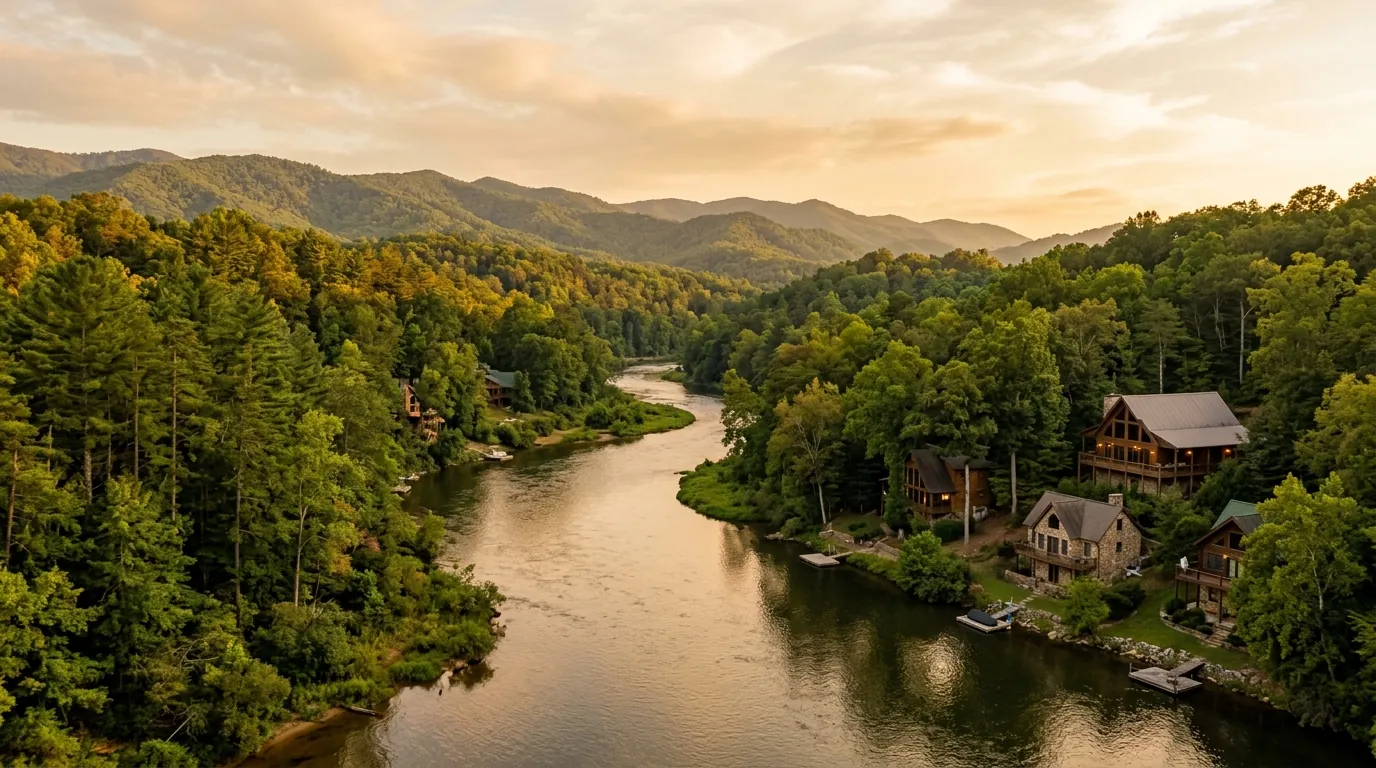
The Chestatee River corridor gives buyers a way to focus a North Georgia search around a natural feature while staying connected to Dahlonega and Lumpkin County. That appeal can make a listing feel immediately clear. The purchase decision is usually less simple. Two homes can be close to the same waterway and still have different access, site conditions, maintenance needs, and ownership boundaries.
Use the page as a planning guide, not a substitute for parcel-specific advice. Start with the Chestatee River corridor market guide, then compare the home against the questions below. If you are also considering a waterfront setting, the riverfront home buyer guide can help keep the search organized.
Read the parcel before you fall for the setting
A good first pass is visual: road approach, slope, tree cover, usable outdoor areas, and the distance from the home to the water. The second pass is documentary. A survey, deed description, plat, and any recorded easement can answer questions that a photo gallery cannot. If a feature is important to your decision, make it a specific due-diligence item instead of treating it as implied.
| Question | What to request | Why it matters |
|---|---|---|
| Where is the boundary? | Current survey or a plan to order one | Riverbanks and wooded edges can be hard to read from the ground. |
| How does access work? | Deed, easement, and road-maintenance documents | Shared routes can carry responsibilities that do not appear in listing copy. |
| What does the site need? | Inspection findings and system records | Drainage, septic, well, and structural conditions are property-specific. |
A practical way to compare homes near the river
Instead of ranking homes by scenery alone, compare each candidate with one repeatable worksheet. This is especially useful when one property is closer to town and another offers more land or a different relationship to the water. The goal is not to create a universal score. It is to make your tradeoffs visible before emotion does the scoring for you.
- Write down the nonnegotiables: commute, bedroom count, budget range, and the kind of access you actually want.
- Separate listing language from verified documents. Keep a folder for surveys, disclosures, system records, and association information.
- Walk the property with your inspection questions in hand. Note drainage paths, retaining work, drive condition, and the terrain between the house and water.
- Ask your lender and insurer early about the address, not after the contract deadline is close.
- Use a local closing team to review the final parcel-specific questions before you commit.
Does near the river mean the home has water access?
Not necessarily. The phrase can describe location, view, neighborhood identity, or a nearby amenity. Confirm whether access is on the parcel, subject to an easement, part of a common area, or unavailable. The deed, survey, and association documents are better evidence than the wording in an advertisement.
Build a local search that stays grounded
Buyers often begin broadly with homes near the Chestatee River and narrow the list after a few tours. That is sensible when you keep your search criteria honest. A home with a peaceful setting may also ask for more tolerance for terrain, private systems, or a longer drive. Another may trade direct water proximity for easier access to daily errands.
Keep your offer terms tied to the conditions that matter. Financing, inspection, title, appraisal, and insurance steps are not paperwork to rush past. They are how you find out whether the property supports the life you expect from it. If an HOA or association applies, request its current documents in writing and review the rules, fees, maintenance duties, and approval process before closing.
Frequently Asked Questions
Is a riverfront home the same as a home near the Chestatee River?
No. Riverfront, river access, river view, and nearby location can mean different things. Confirm the relationship through the survey, deed, and listing documentation for the exact home.
Should I order a survey when buying near water?
Ask your closing and real estate professionals what is appropriate for the transaction. A current survey can help clarify boundaries, easements, and visible improvements.
How do I check flood considerations?
Review current mapping, insurance information, seller disclosures, and advice from qualified local professionals for the specific address. Do not rely on a general description of the area.
What should I ask about a private well or septic system?
Request available records, ask for the relevant inspections, and discuss any questions with qualified providers. System condition and capacity belong to the individual property.
Can I assume the riverbank is part of the lot?
No. Boundary lines, easements, and water-related rights require document review. The visible edge of the yard is not enough evidence on its own.
Are shared drives common in the corridor?
Some properties may use shared access arrangements. Request the recorded documents and understand maintenance responsibilities before you buy.
What if a listing says water access?
Ask exactly where the access is, who may use it, and whether any rules apply. Get the answer supported by the documents that will transfer with the home.
Should I make insurance inquiries before offering?
It is wise to speak with your insurer early. Address-specific eligibility, coverage, and cost can affect how you structure a purchase decision.
Do HOA rules matter for a river-area home?
Yes, when an association applies. Request current covenants, budgets, rules, and approval requirements in writing; do not rely on a summary from an older listing.
How can I compare two river-area homes fairly?
Use the same worksheet for each: access, boundary, systems, inspection findings, insurance, road maintenance, and daily travel. Then weigh those verified facts against the setting you prefer.
Keep the decision file useful after the showing
After you tour a home, write down what you saw before the next listing blurs the details. Separate observations from assumptions. An observation might be that the drive slopes toward the house or that a fence ends near the tree line. An assumption might be that the drive drains well or that the fence marks the boundary. The first belongs in your notes. The second needs a document, an inspection finding, or an answer from the person qualified to give it.
Make one folder for every candidate property. Save the listing, seller disclosures, survey material, association documents, inspection reports, insurance notes, and lender requests in that folder. Use the same headings for each property so you can compare like with like. If a question is unanswered, leave it marked unanswered rather than filling the space with a guess. That simple habit makes it easier to decide whether a condition belongs in the offer or in the inspection period.
It is also useful to test the daily routine. Drive the route at the time you expect to use it. Look at where guests, deliveries, and service vehicles would enter. Think through outdoor maintenance, storage, pets, and the path from the home to the area that attracted you in the first place. None of those observations replaces professional diligence, but they can help you ask better, property-specific questions before your deadlines arrive.
Ready to organize your Chestatee River home search?
Talk to a Chestatee River corridor, Lumpkin County, Georgia real estate expert at Gold Peach Realty for a focused North Georgia search. Call (770) 283-1223.