
Quick answer (TL;DR)
Living near the Chestatee River means choosing a genuinely rural lifestyle within reach of Dahlonega, a short drive from town, with the drive lengthening the farther downriver you go. You’ll find wooded lots, river-access properties, and a mix of cabins and custom homes. Before committing, ask about flood zone designations, well and septic systems, and whether the property has deeded river access or sits directly on the bank.
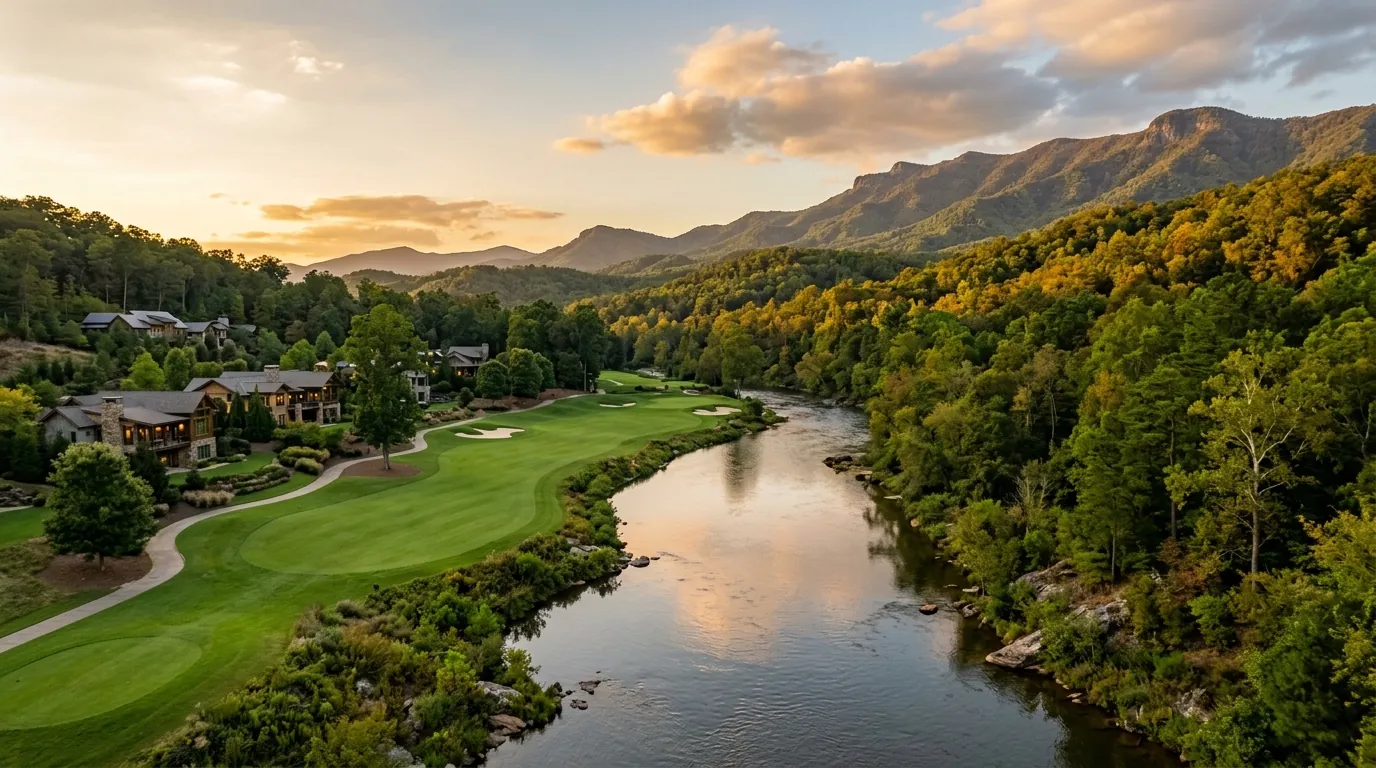
The Chestatee River runs through Lumpkin County on its way south toward Lake Lanier, threading through wooded hills and quiet communities most buyers don’t find until they’re actively searching. The corridor’s rural character draws buyers who want genuine quiet and outdoor access without being far from Dahlonega’s services.
What the Chestatee River corridor actually looks like
The Chestatee River originates in the Blue Ridge Mountains and flows southwest through Lumpkin County before reaching Hall County and eventually Lake Lanier. Along that corridor, the terrain is rolling Southern Appalachian foothills, lower in elevation than the high peaks further north but heavily wooded and noticeably quieter than Gainesville or the Atlanta exurbs.
Most properties near the river sit on larger lots than buyers are used to in suburban markets. Parcel sizes run larger than suburban norms, from roughly an acre on up to multi-acre tracts near the water — check the listing inventory at any moment for what’s actually available. The mix of hardwood and pine forest creates a seasonal character that shifts through the year: bare canopy in winter, dense green through summer, and a solid fall color display that draws a lot of interest from September through November.
If you’re comparing this corridor to other parts of North Georgia, it differs from the high-elevation terrain around Blairsville and the resort-development concentration in Blue Ridge. It’s a quieter, more working-rural stretch of land, with small communities and Dahlonega functioning as the area’s main hub for groceries, dining, banking, and services.
For a broader overview of property types and price ranges across the corridor, the Chestatee real estate page covers the full market picture.
The kinds of homes you find near the river
Riverfront versus river-access properties
The distinction matters more than most buyers realize before they start touring. Riverfront properties sit directly on the water. The boundary includes the bank, and the owner has immediate access from the yard. River-access properties are set back from the river but carry deeded rights to reach it, sometimes through a shared parcel or recorded easement. Both differ from simply owning land near the river with no formal access rights.
Riverfront land commands a premium in this corridor. For what’s currently available on and near the water, the Chestatee River waterfront homes page is updated regularly with active listings.
Log homes and cabin-style construction
Log homes and cabin-style builds show up frequently in the Chestatee corridor. They fit the landscape well and appeal to buyers who want the mountain aesthetic. One thing to factor in before making an offer: log home maintenance is real and ongoing. Refinishing, sealing, and restaining are typically needed every three to five years, and that work generally runs $3,000 to $8,000 depending on the home’s size and the products used. A well-maintained log home holds up fine, but deferred maintenance becomes visible fast. Factor it into your purchase price negotiation.
Custom builds and full-time residential homes
There’s also a tier of custom-built homes and significantly updated older properties, especially in areas where lots were planned for full residential use rather than seasonal or recreational ownership. These properties tend to have more square footage, more modern systems, and sometimes more recent construction than the cabin tier. They appeal to buyers relocating full-time rather than buying a second home.
What day-to-day life looks like
Distance from Dahlonega
Most of the Chestatee River corridor sits a short drive from Dahlonega; the exact time depends on where along the river you’re located. Dahlonega has what you need day to day: grocery stores, gas stations, hardware, local restaurants, a hospital, and professional services. It’s not a large city, but it’s far from a rural outpost. The historic square is walkable and functional, not just a tourist attraction.
For anything beyond Dahlonega, Gainesville is a straightforward drive southeast. That puts Gainesville’s larger hospital network, specialist medical care, and big-box retail within reach. Atlanta’s northern suburbs extend the range further. That’s realistic for occasional trips but not for daily commuting from most river corridor addresses.
Remote work and internet connectivity
Internet service quality varies significantly across the corridor. Some areas have reliable broadband; others, especially in wooded or more rural sections, are limited to satellite internet or fixed wireless. The newer generation of satellite internet has made remote work viable from places where it wasn’t a few years ago, but verify the actual available service at the specific address, not the ZIP code coverage estimate. Do this before you schedule a showing, let alone make an offer.
The seasonal rhythm
River corridor living has a seasonal character that city residents tend to underestimate. Fall changes the property, and the whole corridor, noticeably. Winter is genuinely quiet; some roads and driveways can be tricky after ice, and a four-wheel-drive vehicle matters for some of the less-maintained private roads. Spring brings wildflowers, and the green returns fast. Summer is full canopy and humid, but the river corridor stays measurably cooler than Atlanta.
The payoff arrives in the warmer months, when the river itself becomes the amenity. Residents plan spring mornings around trout fishing on the Chestatee River and lazy afternoons around a summer float down the Chestatee River.
What to think through before you make an offer
Flood zone status
A portion of properties near the Chestatee River fall within FEMA-designated flood zones. That designation affects both required insurance and what you can build or modify on the property. The FEMA Flood Map Service Center (msc.fema.gov) is the authoritative lookup. Use the specific property address, not the general area. Your lender will require this information anyway; resolving it early saves time later.
Well and septic systems
Rural Lumpkin County properties overwhelmingly operate on private wells and septic systems. Both require pre-purchase inspection from qualified specialists. The general home inspector isn’t the right person for this. For the well, key questions are flow rate, water quality test results, and age of the pump and pressure system. For septic, the concern is capacity relative to the home’s bedroom count, the condition of the tank and drain field, and maintenance history. Budget for these inspections and factor in the possibility of repair or replacement, especially on older properties.
Road access and private infrastructure
Some riverside properties are reached via gravel roads or private drives that county maintenance doesn’t cover. Before closing, clarify who is responsible for maintaining the road, whether any shared-road agreements exist with neighboring parcels, and how the access holds up after rain or winter ice. This matters on secluded lots where the access road is longer or more rugged.
For a structured walkthrough of the buying process specific to this corridor, the guide to buying a home near the Chestatee River covers the steps and local diligence considerations in detail.
Communities along the Chestatee River
The Chestatee River corridor isn’t a single development. It spans several community types across Lumpkin County, from gated neighborhoods with amenities to unincorporated rural tracts with no association at all.
Achasta is the best-known gated community on the river. It sits in Dahlonega with a Jack Nicklaus Signature 18-hole golf course and direct access to the Chestatee River, drawing buyers who want private amenity access alongside a natural setting. HOA governance applies, and the community’s covenants affect how you can use the property. Verify the full covenant package before making an offer.
Outside gated communities, much of the corridor consists of larger rural lots with minimal formal structure. Some neighborhoods have loose property owners’ associations; many don’t. What’s available shifts depending on which section of the river you’re searching.
For a community-by-community breakdown, the communities along the Chestatee page maps out the distinct areas and what buyers typically find in each.
Frequently Asked Questions
What’s the difference between a riverfront property and a river-access property?
A riverfront property has a boundary that includes the riverbank: walk out your back door and you’re at the water. A river-access property is set back from the river but has deeded rights to reach it, usually through a shared parcel or recorded easement. Both differ from simply owning land near the river with no formal access rights. Ask to see the recorded easement language before assuming what “river access” means on any listing.
Are Chestatee River homes in a flood zone?
Some are, some aren’t. Proximity to the river increases the likelihood of a flood zone designation, but it isn’t universal. Look up the specific address at the FEMA Flood Map Service Center (msc.fema.gov) and confirm with your insurance agent what zone the property falls in. Properties in special flood hazard areas require flood insurance if you have a federally backed mortgage, and that cost should factor into your offer.
How far is the Chestatee River corridor from Dahlonega?
Most properties sit within an easy drive of Dahlonega’s town square, though outlying stretches take noticeably longer. Map the actual drive time for any property you’re seriously considering. Check it at the times you’d realistically be traveling, not just once on a slow Sunday morning.
What types of homes are available near the Chestatee River?
The range runs from small cabin-style homes on modest lots to larger custom riverfront builds on multi-acre tracts. Log homes are common and fit the landscape. They come with maintenance requirements buyers should budget for. There are also more conventional stick-built and ranch-style homes in the corridor, mainly in areas developed for full-time residential use.
Are there HOAs in Chestatee River communities?
It depends on the community. Achasta has formal HOA governance and covenants. Some other communities have loose property owners’ associations. Many rural riverside lots are unincorporated with no HOA. Confirm HOA status and request the full covenant documents before making an offer. Covenant restrictions can significantly affect what you can do with the land.
What should I know about well and septic before buying near the river?
Get both inspected by specialists before closing. For the well, flow rate and water quality results matter as much as equipment age. For septic, capacity, condition, and maintenance history are the key factors. Plan inspections early. Results can affect your negotiation, and scheduling these takes time.
Is the Chestatee River corridor good for retirees?
Retirees make up a significant share of buyers in this corridor. Property costs are generally lower than in Atlanta suburbs, Dahlonega is a real small town within easy reach, and the mountain climate is relatively mild. Medical access is the main practical consideration. Confirm that the specialist care you may need is accessible from the specific area before committing.
What are property taxes like in Lumpkin County?
Lumpkin County’s property tax rates are generally lower than most metro Atlanta counties, but the specific millage rate, assessed value methodology, and available homestead exemptions change over time. Verify the current numbers with the Lumpkin County Tax Assessor’s office. Don’t rely on an estimate from a listing or an online tool that may reflect an outdated assessment.
Is internet service reliable near the Chestatee River?
Coverage varies by location. Broadband types vary by address across the corridor, from wired service to fixed wireless and satellite. Newer satellite internet services have improved significantly, but performance still varies by location and tree canopy. Check what’s available at the specific address, not just the county or ZIP code, before assuming connectivity will meet your needs.
How much does log home maintenance cost near the river?
Plan on refinishing, sealing, and restaining every three to five years. That cycle typically runs $3,000 to $8,000 depending on the home’s size and the products used. River proximity means more moisture exposure, which can accelerate wear on the exterior finish. A log home maintained on schedule is a very different purchase than one that hasn’t been touched in a decade. Inspect carefully and ask for maintenance records.
Can I build a dock or structure on the Chestatee River bank?
Georgia riverbank construction touches state environmental rules, possible Army Corps of Engineers jurisdiction under Section 404 of the Clean Water Act, and the property’s flood zone designation. What a neighboring property has isn’t a reliable guide. Regulations and permits are property-specific. Consult a local real estate attorney and contact Georgia EPD before making construction plans part of your buying rationale.
How do I start my search for a home near the Chestatee River?
Start by getting clear on the basics: riverfront or river-access, full-time or second home, internet requirements, and your comfort with well and septic systems. Look at several property types across the corridor before locking in on one. A local agent who knows the river properties will shorten the learning curve on the diligence questions specific to this area.
Ready to explore what’s available along the Chestatee River corridor? Find your next Dahlonega, Lumpkin County home with Gold Peach Realty, North Georgia’s local experts in river-corridor and Lumpkin County real estate. Call (770) 283-1223 to connect with an agent who knows this market.